Create a beautiful nursery without overspending
Designing a nursery can feel like a major project, but a welcoming room does not require designer furniture or a large decorating budget. With a little planning, second-hand finds, simple craft projects and clever use of colour, you can create a space that feels personal, practical and calm.
The best budget-friendly DIY decor ideas for a nursery are usually the ones that grow with your child. Removable wall art, adaptable storage and furniture that can be refreshed with paint will continue to work long after the newborn stage.
A nursery also needs to function well during busy nights and untidy days. Choose easy-clean surfaces, keep everyday essentials within reach and leave enough open floor space for play. Style matters, but comfort and safety should guide every decision.
Start with a simple colour scheme
Paint is one of the most affordable ways to transform a room. Soft sage, warm cream, muted blue, dusty pink and gentle terracotta can all create a soothing backdrop without making the space feel bland. If you already have leftover paint, use it on one feature wall, a chimney breast or the lower half of the walls.
A two-tone wall can add interest without the cost of wallpaper. Mark a level line with masking tape and paint the lower section in a slightly deeper shade. This can also help disguise small marks near the skirting board once your child becomes more mobile.
Tester pots are useful for creating small decorative details. Paint simple arches behind a cot, little clouds above a changing station or abstract shapes in a reading corner. Keep designs broad and uncomplicated so they are easy to touch up later.
Refresh furniture instead of replacing it
A second-hand chest of drawers, bookcase or bedside table can become a useful nursery piece with careful preparation. Clean it thoroughly, sand any rough areas and use a suitable primer before applying low-VOC furniture paint. Change the handles for wooden knobs, leather pulls or inexpensive ceramic alternatives.
A plain chest of drawers can double as a changing unit when paired with a secure changing mat and wall-mounted storage nearby. Check that the furniture is stable, anchor it securely to the wall and avoid placing heavy items where a child could pull them down.
Open shelving is another affordable option, particularly when decorated with baskets or fabric boxes. Keep nappies, muslins and blankets in labelled containers, while displaying only a few attractive books or toys. For useful ideas about organising family essentials beyond the nursery, these leak-proof lunch boxes show how practical storage can make everyday routines easier.
Make wall art with everyday materials
Framed prints can be expensive, but nursery artwork is easy to create at home. Use pages from an old botanical book, vintage maps, wrapping paper or illustrations from a charity-shop picture book. Place them in inexpensive frames bought in matching sizes, then arrange them as a small gallery wall.
Fabric is particularly useful for soft, low-cost decoration. Stretch a favourite patterned fat quarter over an embroidery hoop, or cover a canvas with fabric secured at the back. This creates instant wall art without sewing and allows you to change the design when your tastes change.
Personal touches can make the room feel special. Frame a scan photograph, a handwritten family recipe or a meaningful card. You could also create a monthly milestone banner from card, felt or leftover wallpaper, using simple shapes such as stars, leaves or animals.
Compare low-cost decorating choices
Before buying materials, consider how long each item is likely to last and how easy it will be to clean or adapt. The cheapest option is not always the best value if it needs replacing after a few months.
| Nursery project | Approximate cost | Time needed | Longer-term benefit |
|---|---|---|---|
| Painted feature wall | £15–£35 | Half a day | Easy to refresh with a new colour |
| Upcycled chest of drawers | £25–£70 | One to two days | Provides storage for several years |
| DIY fabric wall art | £5–£15 | 30–60 minutes | Simple to replace as tastes change |
| Cardboard book ledges | £10–£25 | One hour | Keeps favourite books visible and accessible |
| Handmade bunting | £3–£12 | One to two hours | Works for birthdays and family celebrations |
| Basket storage makeover | £5–£20 | 30 minutes | Can move to other rooms later |
Add warmth with handmade textiles
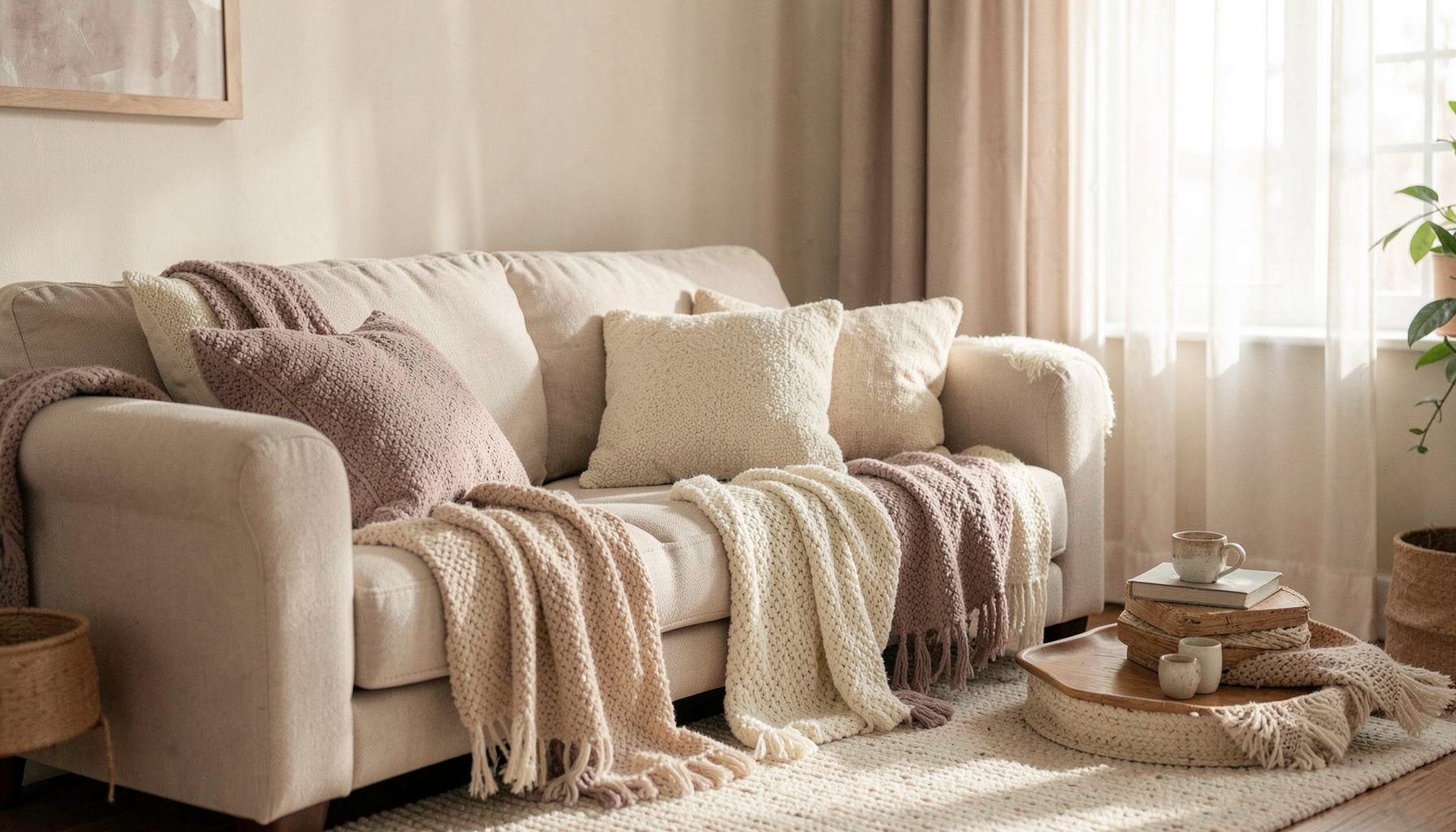
A nursery can feel cosy without a costly canopy, designer rug or matching bedding set. Layer a washable rug over an existing carpet, add a knitted throw to an adult chair and use cushions sparingly in areas away from the cot. Choose fabrics that can be washed regularly and avoid loose items in the sleeping space.
Bunting is an easy DIY project that brings colour to a blank wall. Cut triangles from felt, old clothes or fabric remnants and attach them to cotton tape. Place decorative bunting well out of reach and away from the cot, cords and other potential hazards.
Curtains can also be updated affordably. Add a fabric trim to plain panels, make tie-backs from ribbon or use iron-on hemming tape to adjust second-hand curtains. Blackout lining is worth considering if morning light affects sleep, but make sure blind cords are secured safely and kept far from the cot.
Use storage that supports daily routines
Good nursery organisation saves time and prevents the room from becoming crowded. A peg rail can hold muslin cloths, bibs and small baskets, while an over-door organiser can store toiletries, spare vests or reusable wipes. Keep frequently used items close to the changing area, but position medicines and creams out of reach.
Repurpose household items wherever possible. A wooden wine crate can become a wall shelf when properly secured, and a clean storage trolley can move between the changing station and feeding chair. Label baskets by purpose rather than age, so the system remains useful as clothing and equipment change.
Natural themes can add charm without requiring expensive accessories. Display a few wooden animals, paint a simple mountain mural or create framed prints inspired by family adventures. A nursery influenced by time outdoors can grow with your child, especially if you enjoy exploring places such as these Lake District walks.
Prioritise these practical decorating choices
A clear plan helps prevent small purchases from becoming an expensive decorating project. Before starting, measure the room, decide which furniture must stay and set aside money for safety essentials such as anchors, sockets covers and suitable lighting.
Focus your effort on changes that improve both appearance and everyday use:
- Choose washable paint and wipe-clean finishes for busy areas.
- Secure all tall furniture, shelves and wall decorations properly.
- Buy second-hand furniture only after checking its condition and safety.
- Use baskets, hooks and drawer dividers to make routines quicker.
- Leave open floor space for tummy time, play and future furniture changes.
A peaceful nursery does not need to look perfectly coordinated. A few carefully chosen colours, useful storage pieces and handmade details can create a room with character while keeping spending under control.
Begin with one small project, such as painting a feature shape or refreshing a set of drawer handles. Then build the room gradually around what your family genuinely needs, choosing practical, personal updates that make daily life easier.