Quick 10-Minute Home Workouts for Tired Aussie Mums
Finding ten spare minutes feels like striking the lottery when you are running a household somewhere in Brisbane or chasing a toddler around the backyard in Adelaide. Between the school run, daycare pickups, and that endless pile of washing, energy for movement often falls well below zero. The good news is that a full gym session is not required to feel stronger, calmer, and more like yourself again.
Australian mums are juggling more than most. With childcare costs among the highest in the developed world and the price of groceries at the local Coles creeping up every quarter, squeezing in a workout can feel genuinely impossible. Layer in the mental load of remembering permission slips, fruit-fly-free fruit bowls, and that one child's lost library book, and exercise slips to the very bottom of the list.
This is exactly why brief, focused movement sessions work so well. A ten-minute window is short enough to fit between the school bell ringing in Sydney's inner west and the dinner timer buzzing in Perth. It is also long enough to lift your heart rate, build strength, and shake off the fog of a long day. The trick is having a plan ready so you do not waste those precious minutes wondering where to start.
Below is a practical guide built around the realities of Australian family life. From setting up a quiet corner of the loungeroom to choosing the right follow-along program, these ideas are designed for mums who genuinely do not have time to waste.
Creating a Workout Corner That Actually Gets Used
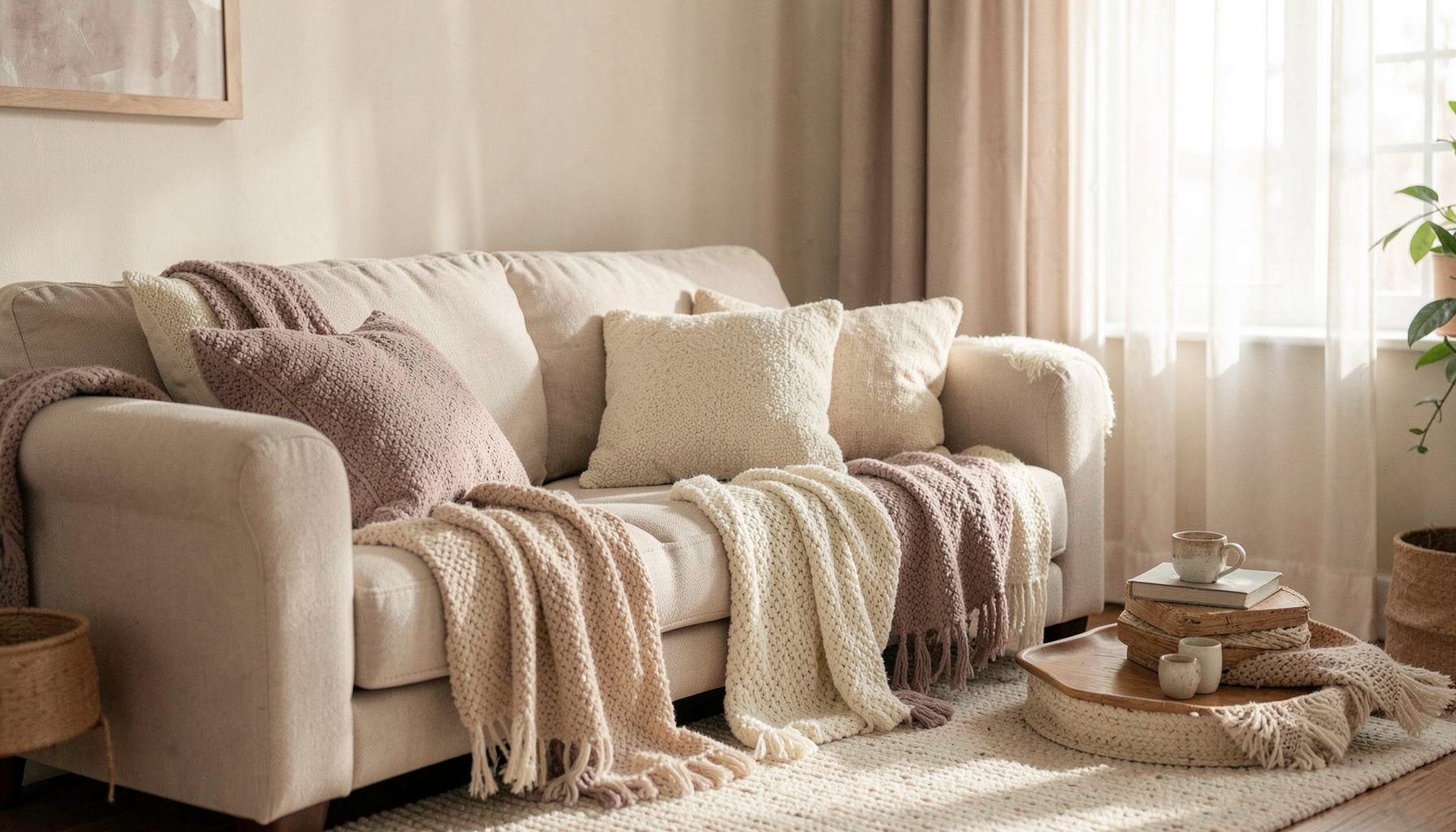
The first obstacle is usually space. Most family homes across Melbourne and beyond are already bursting with toys, school bags, and that ever-growing pile of laundry. Carving out a permanent workout spot can feel like a luxury, but it does not need to be fancy.
A folded yoga mat propped behind the couch, a couple of filled water bottles for weights, and a clear patch of carpet is all you really need. If your laundry in suburban Adelaide has a square metre of clear floor, that works just as well as a spare bedroom. The goal is to remove every barrier between you and starting.
Australian summers can make even short bursts of exercise unpleasant, so think about where you are coolest. A tiled area near a fan, a shady spot on the back deck, or even an air-conditioned rumpus room during a heatwave are all fair game. Many mums report their best sessions happen early before the temperature climbs above thirty degrees.
Keep your gear in one basket if possible. A resistance band, a towel, and a water bottle alongside the mat means you can press play and move within seconds. The fewer decisions required at 6am, the more likely the workout actually happens.
Bodyweight Moves That Deliver Real Results
No equipment, no excuses. The best movements for tired mums are the ones that use your own body weight and require almost zero setup. Squats, lunges, push-ups on the kitchen bench, and glute bridges on the mat will quietly transform how you feel over the weeks.
A sample ten-minute circuit might look like 40 seconds of work followed by 20 seconds of rest, repeated through four rounds. Squats to begin, then incline push-ups against the bench, followed by reverse lunges, and finishing with a plank hold. By the time the timer goes off, you have worked every major muscle group without leaving the house.
For mums recovering from pregnancy or those still weaning from breastfeeding, lower-impact options matter. Swap jumping lunges for step-backs, replace burpees with slow mountain climbers, and focus on steady breath throughout. The goal is movement that supports recovery, not punishment.
The beauty of bodyweight training is its flexibility. You can do it while watching Bluey with the kids, during the ad break of your favourite evening show, or in the quiet minutes before the household wakes up. It travels with you too, which is handy if you are visiting relatives in regional Queensland or holidaying down the coast.
Following Along With the Right Program
Knowing what to do is half the battle. For many mums, the easiest path is following a video or app that walks them through every second of the session. This removes the thinking, which matters enormously when your brain is already stretched thin.
YouTube has thousands of free ten-minute routines worth bookmarking. Search by focus area, whether that is upper body, core, or a full-body sweat. Many Australian fitness creators now share short follow-along videos designed for busy parents, and these often pop up in the algorithm once you watch one or two.
Subscription platforms run by local studios now offer express classes under fifteen minutes. Some even stream live at school-pickup time so you can join in alongside other mums across Sydney, Brisbane, and beyond. There is something quietly motivating about sweating alongside hundreds of others doing exactly the same workout in their loungerooms.
Choose one or two creators whose style and pace suit you, then keep their content queued up. When the moment arrives, there is no scrolling, no decision fatigue, just press play and follow.
Fitting Workouts Around Real Family Life
A workout that does not happen is worthless. The most effective routine for a tired mum is one that bends around her actual week, not the other way around. This means being honest about when you genuinely have ten minutes free.
Mornings before the kids wake tend to work for early risers in Perth and Brisbane, especially during the cooler months. Lunchtime home workouts suit shift workers or those with school-aged children at home. The evening slot, after dinner and bath time, is popular with mums in Melbourne's busier suburbs, though some find they are simply too spent by then and that is okay too.
Think about stacking the habit with something you already do. Stretching while the kettle boils, doing calf raises while waiting for the toast, or a quick core circuit right after you put the baby down for a nap. These micro-sessions add up surprisingly fast across a busy week.
Do not underestimate the power of a walk either. Even a brisk fifteen-minute loop around the block in your local neighbourhood counts as movement, especially on days when structured exercise feels impossible. The Australian climate is friendly to year-round walking, and many mums find their head clears faster outdoors than inside.
Choosing the Right Style for Your Energy Level
Different workouts suit different days. Some mornings you feel ready to push hard, other times getting off the couch is the win. Having a few styles on rotation helps you match the session to your actual energy rather than your ideal one.
A simple framework is to keep one strength-based routine, one cardio-focused option, and one gentle mobility flow saved. On high-energy days, you go for strength or cardio. On exhausted days, you simply move through the mobility work and call it done without any guilt.
| Workout Style | Best For | Time Needed | Equipment | Energy Level |
|---|---|---|---|---|
| Bodyweight Circuit | Full-body strength and cardio | 10 minutes | None | Medium to high |
| Follow-Along Video | Guided structure and motivation | 8 to 15 minutes | None usually | Low to high |
| Pilates or Yoga Flow | Recovery, posture, and stress relief | 10 to 20 minutes | Mat optional | Low to medium |
| Walk or Dance Break | Mental reset and light cardio | 5 to 20 minutes | None | Any |
| Resistance Band Strength | Building tone without heavy weights | 10 to 15 minutes | Resistance band | Medium |
Rotating through these styles across the week also prevents boredom and overuse injuries. Variety is what keeps a habit alive once the initial motivation fades, which it always does. The goal is simply to keep moving, in whatever way your tired body can manage on any given day.