
Five Family Traditions We Start Every Autumn
Autumn has a lovely way of making ordinary family routines feel special. The cooler evenings, changing leaves and return to school create natural opportunities to slow down, spend time together and mark the season in simple ways.
Our family traditions do not need to be expensive, elaborate or perfectly organised. The best ones fit around homework, work, household chores and the unpredictable rhythm of family life. A warm drink after a walk can become as memorable as a planned day out.
These seasonal rituals also give children something to look forward to each year. From collecting conkers to choosing a charity donation, each activity helps us notice the changing season while creating memories that last beyond October and November.
A Cosy Autumn Walk
One of our favourite autumn traditions is a family walk to enjoy the changing colours. We might visit a local park, woodland path or nearby country trail, depending on the weather and everyone’s energy levels. The destination matters less than getting outside together.
Before we leave, the children choose a small basket or reusable bag for collecting fallen leaves, acorns and conkers. We talk about the different colours and textures, take photographs and look for signs of wildlife. On the way home, we usually stop for hot chocolate or return to the kitchen for a warm snack.
This simple habit encourages outdoor family time without turning it into a costly day out. Waterproof coats and wellies make it easier to embrace muddy paths, while a flask can keep the walk feeling cosy when the temperature drops.
A Seasonal Baking Day
Autumn baking has become a regular part of our family calendar. We choose one recipe together, often something involving apples, cinnamon, ginger or pumpkin spice, and make enough to share. It could be a tray of flapjacks, spiced muffins or a simple crumble using fruit that needs eating.
Children can help weigh ingredients, stir the mixture and decorate the finished treats. The kitchen may become messy, but that is part of the experience. Baking teaches practical skills such as measuring, patience and cleaning up afterwards, while giving us time to chat without the distraction of screens.
To keep the tradition affordable, we use store-cupboard ingredients and plan it around our weekly shop. If we have extra portions, they become packed-lunch treats or a thoughtful gift for a neighbour. This turns one afternoon of baking into a small act of kindness as well.
Making Handmade Decorations
We begin preparing for the festive season early by making a few autumn-inspired crafts. It helps us avoid rushing in December and gives the children a chance to contribute to how our home looks. Paper leaves, painted pinecones and cardboard animals are inexpensive projects that suit different ages.
As autumn moves towards winter, we sometimes revisit these ideas and create handmade decorations for Christmas. Our collection of easy festive craft ideas is useful when we need inspiration that uses materials already at home. Recycled boxes, paper bags and leftover ribbon can often be transformed into something cheerful.
The finished pieces do not need to look like shop-bought decorations. Their value comes from remembering who made them and when. We keep a box of favourites and bring them out each year, adding one or two new creations whenever the children feel inspired.
| Tradition | What We Need | Family Benefit | Typical Cost |
|---|---|---|---|
| Seasonal walk | Coats, boots and a basket | Fresh air and nature time | Free |
| Baking day | Basic ingredients and utensils | Practical skills and shared time | Low |
| Handmade decorations | Paper, paint and recycled materials | Creativity and festive preparation | Low |
| Autumn film night | Blankets and a favourite film | Relaxed family connection | Low |
| Giving afternoon | Donations or useful items | Kindness and community awareness | Flexible |
An Autumn Film Night
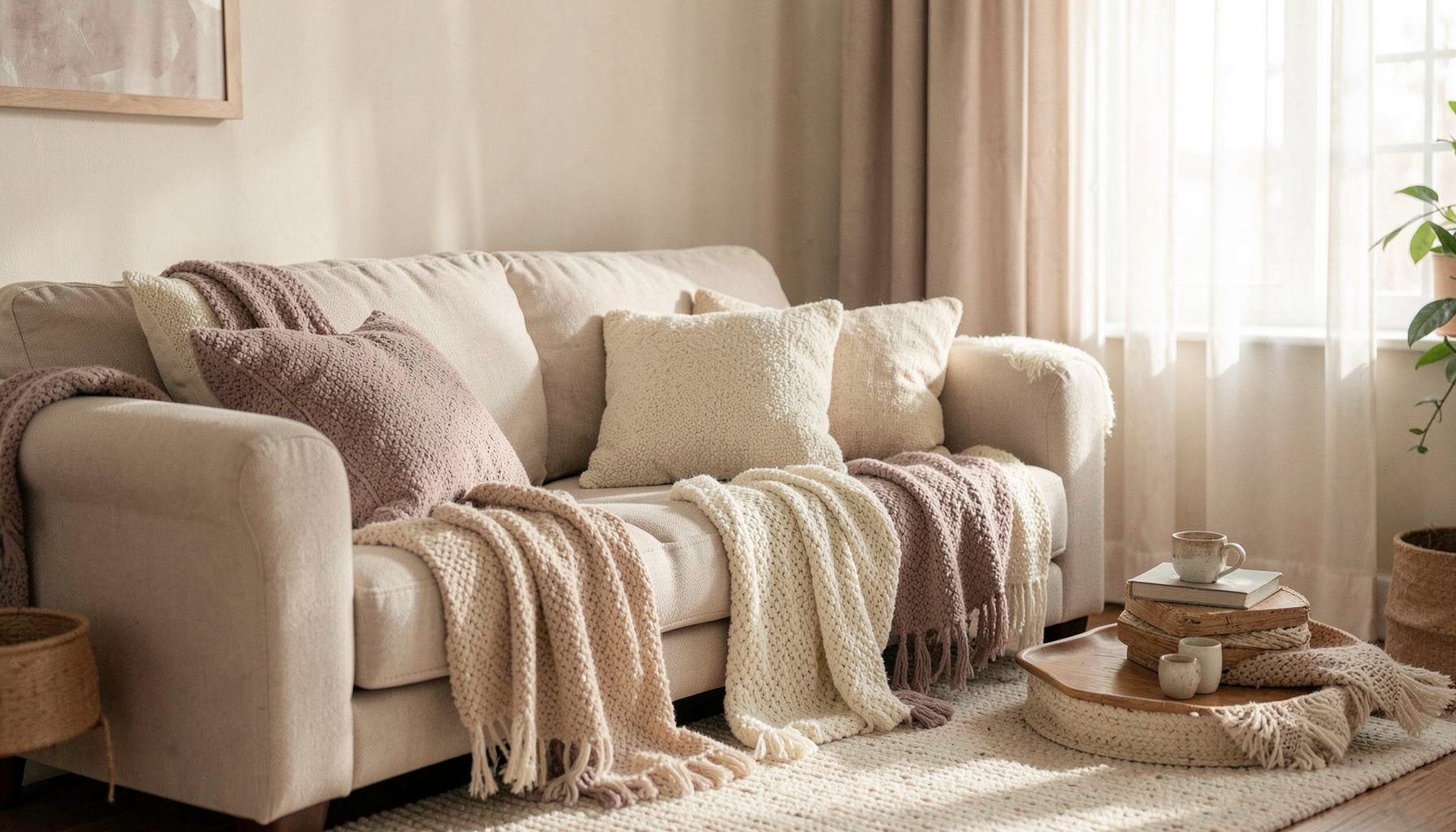
When the evenings become darker, we choose one night for a relaxed family film. Everyone gets a turn to suggest a favourite, and we make the room comfortable with blankets, cushions and softer lighting. It is a small change from our usual routine, but the children enjoy the sense of occasion.
We prepare simple snacks rather than buying a large amount of cinema-style food. Toasted sandwiches, popcorn, fruit and homemade biscuits are usually enough. Sometimes the film is connected to the season, while at other times it is simply something the whole family can watch together.
The important part is putting phones away and staying in the same room. Even older children who are busy with school or activities often appreciate a low-pressure evening. We may talk about the story afterwards, but there is no need to turn it into a structured activity.
A Day For Giving
Autumn is a useful time to look through clothes, books and toys before the busy festive period begins. We involve the children in choosing items they have outgrown or no longer use, explaining that useful things can have a second life with another family.
Some items go to a charity shop, while others are passed to friends or donated through a local community group. We also check whether the food cupboard contains unopened items that could be included in a food bank collection. The children learn that generosity can involve time, belongings and attention, rather than simply spending money.
This tradition also supports a calmer home. Sorting one drawer or shelf at a time feels manageable and prevents a major decluttering job from becoming overwhelming. For practical household ideas and family-focused inspiration, the Oh So Amelia blog is a helpful place to explore everyday routines, budgeting and home life.
A Gratitude And Memory Jar
Our final autumn ritual is creating a family memory jar. Each person writes or draws one thing they enjoyed that week, such as seeing a spectacular sunset, finding a perfect leaf or sharing a funny moment at dinner. Younger children can dictate their thoughts if writing is still difficult.
We add the notes throughout September, October and November, then read them together before Christmas. This gives us a chance to remember small pleasures that might otherwise disappear among school runs, appointments and household jobs.
The jar can be reused every year, with the date written on each note. Over time, it becomes a record of family life and a reminder that meaningful memories are often made during ordinary days. It also encourages children to notice good moments without needing expensive entertainment.
Making Seasonal Traditions Work
Family rituals are easier to maintain when they are flexible. A walk can become a garden scavenger hunt if rain makes the local path unpleasant, and a baking day can be postponed when everyone is tired. Keeping the idea while changing the details stops traditions from becoming another source of pressure.
A few habits help us keep these activities realistic:
- Choose traditions that suit the ages, interests and energy levels of everyone involved.
- Use items already at home before buying seasonal supplies.
- Put dates in the family calendar so simple plans do not get lost in busy weeks.
- Let children take responsibility for one small part of each activity.
- Focus on repeating the shared experience rather than creating perfect results.
Autumn gives families plenty of natural prompts for connection: fallen leaves, cooler evenings, warming food and the approach of winter celebrations. By choosing a few rituals that feel enjoyable and manageable, we create a rhythm that everyone can recognise and look forward to.
Pick one tradition to begin this week, keep the first version simple, and let it grow naturally into something your family will remember each autumn.