How to Create a Calm-Down Corner for Your Toddler
Toddlers experience big feelings before they have the language or self-control to manage them. A calm-down corner gives your child a familiar place to pause, settle their body and reconnect with an adult after frustration, overstimulation or a difficult transition. It is a supportive space, not a naughty step or a place for forced isolation.
The best calming space is simple, predictable and comfortable enough to use every day. Whether you live in a Melbourne apartment, a Brisbane townhouse or a busy family home in Perth, you can create one with items you already own and a few carefully chosen sensory tools.
Choose A Safe, Low-Traffic Spot
Look for a quiet corner that is still within sight or hearing distance of an adult. A section of the lounge room, a playroom nook or the end of a child’s bedroom can work well. Avoid placing it beside the television, near a frequently used doorway or in direct afternoon sun. Australian summers can make small enclosed areas uncomfortably hot, particularly in homes without air conditioning, so choose a spot with good airflow and shade.
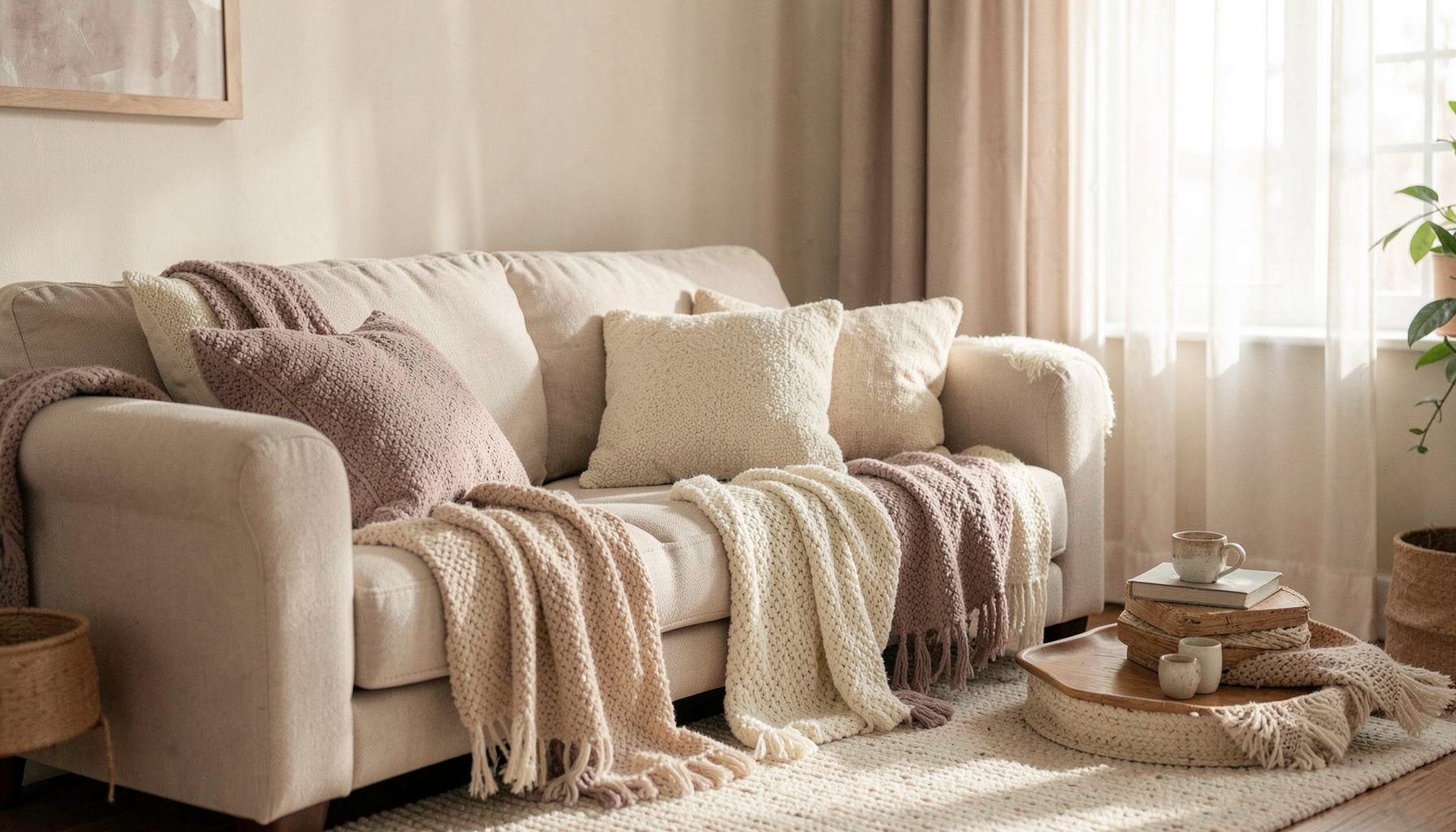
A soft mat, small floor cushion or firm toddler-sized chair can define the area without taking up much room. In a rental property, a removable play mat and freestanding basket are practical choices that will not require drilling or permanent changes. Families in compact Sydney or Melbourne homes can use the space beneath a sturdy desk or the corner of a shared bedroom, provided there is enough room for your child to sit safely.
Keep the area free from blind cords, loose ties, unstable shelving and furniture that could tip. Do not use a pop-up tent with poor ventilation or place heavy objects above the child’s head. The corner should feel enclosed enough to reduce distractions, while remaining open enough for supervision.
Build A Small Collection Of Calming Tools
Toddlers usually respond best to a limited selection of familiar objects. Too many toys can turn a quiet space into another stimulating play area. Start with a soft toy, a board book, a small cushion, a laminated feelings chart and one or two sensory items such as a textured ball or a container of play dough.
A glitter jar can be appealing, but it must be sealed securely and checked regularly for cracks or leaks. Avoid small loose objects if your toddler still mouths items, and choose sensory products that are suitable for their age. Any item sold in Australia should be used according to its instructions, and products covered by mandatory safety standards under the Australian Consumer Law deserve particular care when buying from online marketplaces.
You might add child-safe noise-reducing headphones, a favourite blanket or a simple breathing prompt with pictures. A battery-operated night-light can help in a darker room, but keep batteries secured and cords out of reach. Kmart, Big W, Target and local op shops can provide affordable storage baskets and cushions, while a simple cardboard feelings wheel costs almost nothing to make.
Teach The Corner Before A Meltdown
A calm-down area works best when your toddler learns how to use it while relaxed. Sit there together and explain that it is a place for taking a break, naming feelings and helping the body feel safe. Practise slow breathing, squeezing a cushion, looking at a book or counting five objects in the room. Keep the language short: “Your body is cross. Let’s have a quiet minute.”
Offer the space as an option rather than sending your child there as punishment. You could say, “Would you like a cuddle here or some room to breathe?” Some children will want an adult nearby, while others may need a little physical space. Stay close enough to supervise and avoid demanding eye contact, silence or an immediate apology.
Use the same routine after small frustrations, such as a block tower falling down or a sibling taking a toy. When a tantrum is already intense, reduce your words and focus on safety. A calm voice, slow movements and a familiar phrase are usually more effective than a long explanation. Once your child is settled, offer comfort before discussing what happened.
Make Emotional Regulation Part Of Daily Life
The corner should complement, rather than replace, connection and co-regulation. Toddlers borrow an adult’s calm, so your steady presence matters more than the equipment. Get down to their level, acknowledge the feeling and set a clear boundary: “You are angry, and I will not let you hit.” Then guide them towards a safer action, such as pushing against a wall or stomping on a cushion.
Transitions often benefit from the same approach. Leaving the park, stopping screen time and starting childcare can trigger strong reactions. If separation is a regular difficulty, the practical ideas in this guide to nursery drop-off anxiety can sit alongside your calming routine. A photo of the family, a short goodbye ritual and a predictable return time can help your toddler feel secure.
Keep the routine realistic for Australian family life. A child may need help settling after a hot school-run afternoon, a long drive between suburbs or a noisy weekend barbecue with relatives. Encourage water, shade, a snack and rest when physical needs are contributing to emotional overload. Tiredness and hunger can make a small disappointment feel enormous.
Review And Adapt The Space
Watch how your child uses the corner for a week or two. They may prefer a firm seat instead of a soft cushion, music instead of silence, or an adult sitting beside them instead of being left alone. Some toddlers find visual charts useful, while others become distracted by them. The goal is to notice what lowers stimulation and supports recovery.
Refresh the basket occasionally, but avoid changing everything at once. Remove damaged, dirty or outgrown items and wash washable fabrics regularly. If your child attends an early learning service, ask whether educators use similar language for feelings and calming strategies. Services covered by Australia’s National Quality Framework support children’s wellbeing and safety, although a home calm-down corner is a family tool rather than a legal requirement.
As your toddler grows, involve them in choosing a new book, drawing a feelings card or rearranging the cushion. A calm-down space may eventually become a reading nook or quiet retreat that the whole family uses. Its lasting value comes from the message behind it: feelings are acceptable, safety matters, and support is available while your child learns to manage strong emotions.