How We Create a Calm Bedtime Routine for a Spirited Toddler
There's a particular kind of toddler who treats bedtime like a personal invitation to test every boundary, voice every emotion, and squeeze the last drop of daylight from the day. If you've met one, you know exactly the energy I'm describing. Our little one has always needed more runway to land than the books suggested, and what eventually worked was a routine built around her personality rather than against it.
Over many months of trial, error, and quite a few cups of cold tea, we landed on a rhythm that has turned our evenings into something gentler. These are the practical steps we use in our Aussie household, with small adjustments for long summer evenings, warm bedrooms, and the unique chaos of family life on this side of the world.
Reading the Cues Before the Meltdown Starts
Spirited toddlers rarely crash without warning. The signs build slowly: the loud voice gets louder, the games get rougher, the requests come faster and stranger. We learned to watch for these signals and start winding things down before the storm arrives rather than waiting for the thunder.
A helpful shift was treating the last hour before bed as sacred family time. No rushing between dinner and bath, no "quick" emails or one more load of washing. The pace softens, lights dim, and the message becomes clear that the day is moving toward rest.
For us, this looks like pulling the curtains early on those bright summer evenings when the sun lingers past seven o'clock in Sydney, or even later if we're up in Brisbane. Closing off the visual cue of daylight does half the work of convincing a tired toddler that sleep is coming.
Building a Predictable Wind-Down Sequence
Toddlers thrive on predictability because the world feels enormous and a bit scary, and knowing what happens next gives them something solid to hold onto. Our sequence is short on purpose, with the same five steps in the same order, every single night.
We start upstairs with a warm bath, then into pyjamas still slightly warm from the towel dryer. Teeth brushed, a few sips of water, then into her room for two books and a cuddle. Lights out, a specific goodnight phrase, then one of us sits nearby until her breathing slows.
The phrase matters more than I expected. We always say the same words in the same tone, almost like a little ritual. She now says it back to us, and on the harder nights that repetition seems to settle something inside her.
Setting Up the Bedroom to Invite Sleep
A calm room makes a real difference, especially in Australia where summer bedrooms can climb well past twenty-six degrees by eight o'clock. We run a ceiling fan on low all night and crack a window when the weather allows, which keeps the air moving without making the room cold.
Blackout curtains were a game changer, particularly during daylight saving when our daughter would wake at five-thirty convinced it was morning. The Wiggles quietly on a low speaker replaced the white noise machine we tried first, and somehow the familiar voices work better for our family than generic rain sounds.
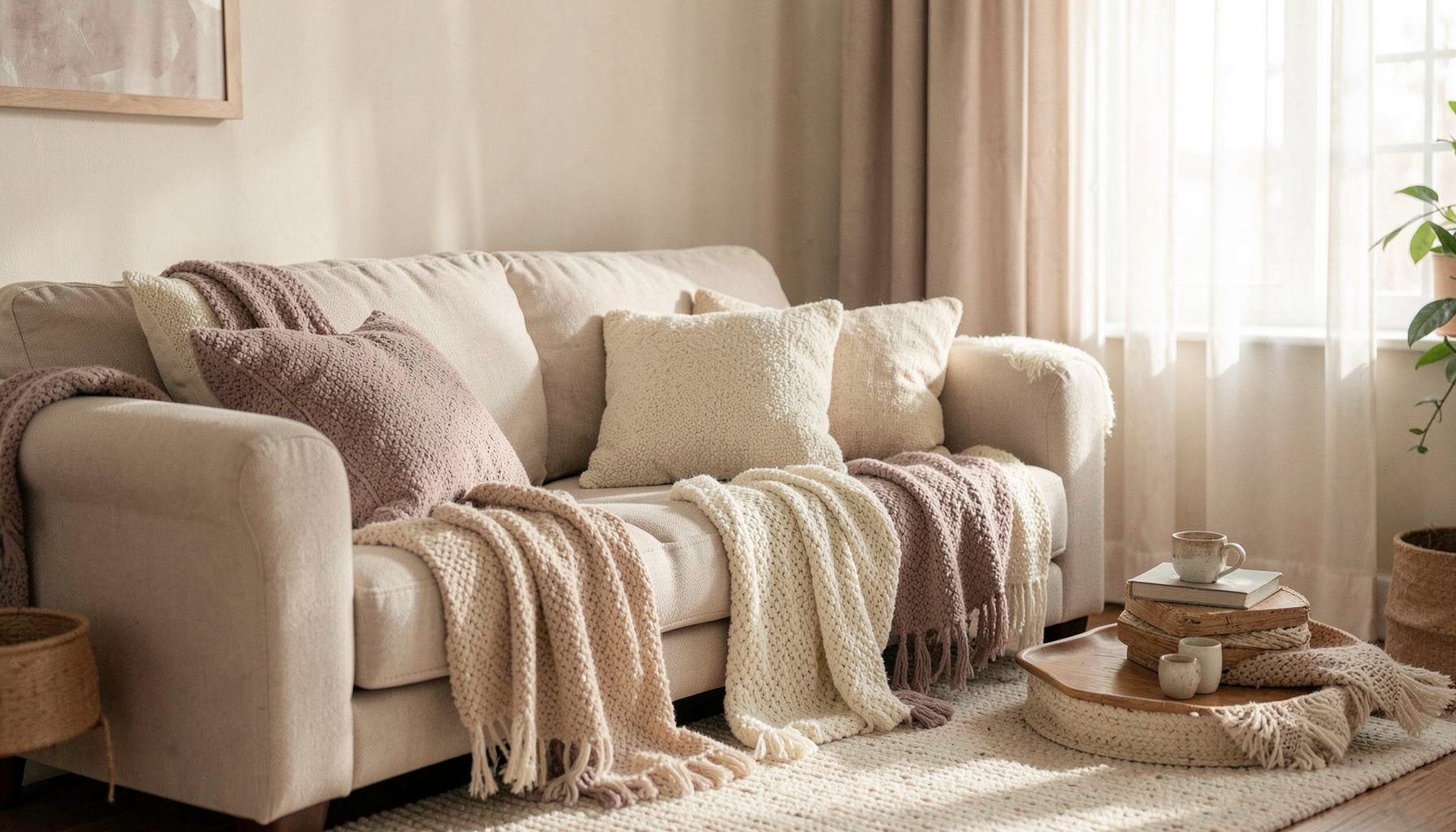
Most of the soft furnishings, night light, book caddy, and her favourite stuffed kangaroo came from a few quiet laps around Kmart Australia. Their kids' range is genuinely well priced, and I picked up almost everything for under forty dollars. You can see how it all came together on our home page.
Finding What Works in the Moment
Every parent builds a small toolkit of strategies for difficult nights, and ours has grown with our daughter. The table below compares the techniques we cycle through, what each does, and when it tends to land best.
| Technique | What it does | Best for | Watch out for |
|---|---|---|---|
| Quiet breathing together | Slows heart rate through mirroring | Mild restlessness | Overstimulation if too energetic |
| Gentle back pressure | Grounding through touch | Big emotions, post-tantrum | Works best when child is calm enough to accept it |
| Soft singing | Familiar sound cues rest | First ten minutes after lights out | Same song on repeat, every night, forever |
| Laying beside her | Physical reassurance | Travel nights, illness | Can become a hard habit to break |
| Brief check-in approach | Builds trust without rewarding calls | Stubborn resistance | Needs consistency from both parents |
The technique we lean on most often changes with her development, and what worked at twenty months barely registers now at almost three. Keeping a flexible toolkit matters more than finding a single perfect answer.
Handling Big Emotions and Resistance
Even with the best routine in place, some nights spiral. A skipped nap, an exciting afternoon visiting cousins, or a suspicious look at dinner can all knock everything sideways. What saved us was deciding in advance how we would respond, so we weren't making decisions while emotionally flooded ourselves.
We use a version of the "two warnings then act" approach. The first warning is a calm reminder of what comes next. The second is a simple choice: walk to the stairs or be carried. If neither works, we follow through gently, without long explanations.
This is similar to how many Aussie early childhood centres handle rest time, where educators are trained to acknowledge feelings while holding firm boundaries. Children need to feel heard before they can settle, and they need limits before they can feel safe enough to actually sleep.
Travelling and Breaking the Routine
Routine is wonderful until you pack the family into the car for a weekend in the Blue Mountains or fly north to visit grandparents in Cairns. Different beds, different sounds, different light, and an excited toddler all combine to dismantle everything you've built at home.
We now pack a small bedtime bag with the same pyjamas, the same book, the same stuffed animal, and a portable night light. The familiar objects do most of the heavy lifting, even in a hotel room with thin curtains or a cabin with the wrong kind of quiet.
On longer trips we adjust bedtime gradually rather than forcing a new schedule overnight. If we know we'll be out late at a community Australia Day event, we shift wind-down earlier that afternoon. Building flexibility into the routine keeps it sustainable when life gets busy.
Documenting what actually worked helped me spot patterns I would have missed. Writing down the wins and hard patches clarified my thinking, and that habit has shaped how I create content. I've shared a few reflections on blogging tips that come from this kind of family journaling.
Settling in for the Long Game
The honest truth is that no routine survives every toddler, every season, or every parenting phase. What we have built is less a fixed plan and more a living rhythm that bends when it needs to and holds firm where it counts.
On good nights, our daughter is asleep within fifteen minutes. On the harder ones, we sit beside her a little longer, breathe slower, and trust that tomorrow offers another chance to try again. That steadiness has made the biggest difference in our home.