How we created a calm-down corner for our preschooler
Our youngest used to melt down wherever the noise was loudest: beside the washing machine, in the kitchen, or just as we were leaving for preschool. We knew she was overwhelmed, but the sofa, her bedroom and a pile of cushions rarely helped. We wanted a predictable place she could choose without it becoming an escape from us.
So we turned a small, unused corner of our suburban Brisbane living room into a calm-down space for our preschooler. It took less than two weeks, a modest budget in Australian dollars and far fewer supplies than a dedicated playroom. The key was agreeing what the space would do and how we would respond.
We kept it realistic for an Australian family home, where storage is precious and children share rooms with siblings. The nook had to be safe, easy to reset and comfortable without taking over the room. A canvas storage cube from Bunnings, a second-hand wool rug and existing toys gave us a practical starting point.
Now it is where our daughter can draw, breathe and choose a quiet activity before rejoining us. It has not removed every meltdown, but it has shortened several and made our response calmer. This is the simple setup we created, including what worked, what we left out and how we keep it useful as she grows.
Starting with the behaviour we wanted
First, we listed the signals that meant she was reaching her limit: covering her ears, dropping to the floor, pushing toys away and asking for dimmer lights. That helped us design for her needs rather than choosing a corner because it looked cheerful. We wanted a place for regulation, not an alternative punishment spot.
We also decided that the area should stay open, with a clear visual cue and no door she could slam. The idea is simple enough for a preschooler to understand: sit here, choose something calming, and return when ready. We use the same short phrase every time so the language stays consistent.
| Seating choice | Best for | Our rough cost | Everyday upkeep |
|---|---|---|---|
| Foam floor mat | A washable base for drawing or puzzles | $25 from Kmart | Wipe clean and wash regularly |
| Round floor cushion | Comfortable sitting and story time | $35 from TARGET | Spot-clean and wash the cover |
| Beanbag | A cosy nest for one child | $60 from a local marketplace seller | Refill and wash the cover |
Choosing a safe and reachable spot
Our nook sits against a blank wall in the open-plan living room, where our daughter can reach it without passing through the kitchen or front door. From her seat she can still see us, which makes leaving us feel less alarming. If she is very upset, we stay nearby rather than expecting distance to do all the work.
We checked for blind cords, sharp corners and unstable furniture, then anchored the storage unit properly. We kept it clear of the television and laundry door, two sources of extra noise in our house. In a compact Sydney or Melbourne terrace, the nook might occupy the end of a living room; in warmer parts of Australia, shade and a battery-powered lamp keep it usable through summer.
Setting boundaries a preschooler understands
The clearest rule is that this is a calm space, not for jumping, snacks or screens. We use the same sentence each time: “You are safe here; choose a quiet thing.” Our daughter chose a rabbit picture to mark the corner, and that visual reminder now means more than an adult instruction.
We avoid calling it a time-out because that can make the space feel connected to punishment. Instead, we say she is taking a break to help her body settle. Consistency helped during the rushed period between preschool and afternoon tea: quiet activities inside, family activities outside. That predictability reflects routines children practise in Australian kindergartens, where putting away belongings and moving between group activities are part of everyday learning.
Building a simple sensory toolkit
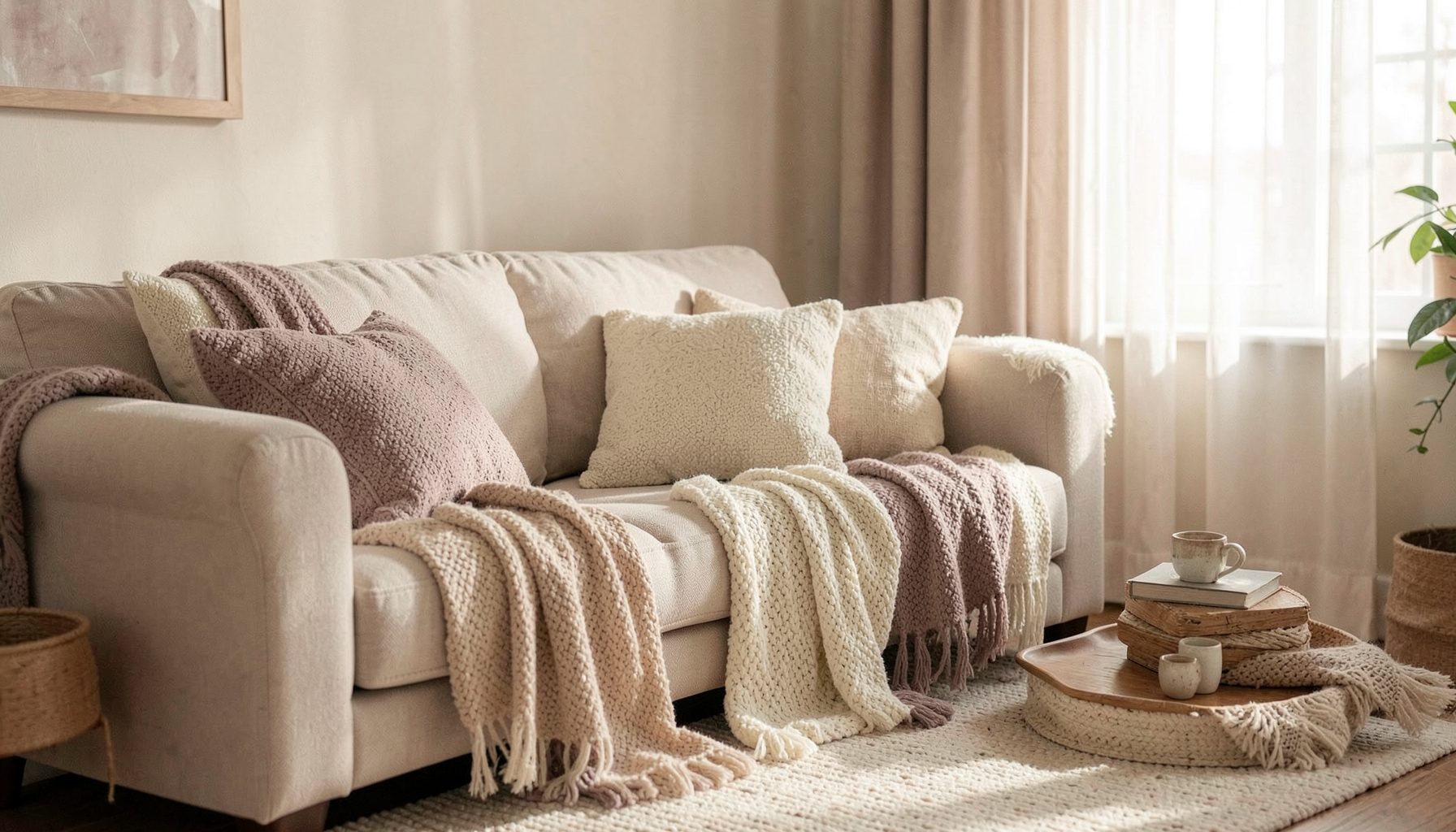
Everything inside has a calming job. A soft rug and round cushion provide comfort; a rabbit, squishy ball and textured toys offer controlled movement. We added a dimmable lamp and basket of picture books, but left out anything sharp, fragile or visually busy. Fewer choices make a preschooler’s independence easier.
For noise-sensitive moments, our first choice is conversation rather than expensive noise-cancelling equipment. When we use headphones, we fit them properly and keep the volume low. A clean, age-appropriate chew item can live in the basket and be replaced according to its care instructions.
Our Bunnings storage cube keeps each item in one visible basket, so cleanup takes under a minute. We rotate a few toys weekly instead of displaying everything, which stops the nook becoming another toy dump. A soft blue sticker and family photo make it recognisably hers without filling the wall with colour.
Building predictability into the day
We connect the nook to predictable cues rather than using it only after a meltdown. Before our youngest gets dressed, we play the same quiet song and offer the space as an option. Story time can happen on the rug at the end of the day. Repeated signals show that slowing down is her choice, not something imposed.
A quiet visual timer helps when she wants to stay longer. I also keep emotion cards in the basket so we can name what is happening: worried, frustrated, tired or overstimulated. Our local toy library and weekly story-time visit have helped us test books without buying more. After borrowing a story, we leave it in the basket for a few days.
Making calm-down strategies portable
A corner at home cannot help when we are stuck in traffic or waiting at a café. The same idea travels in a canvas pouch: headphones, a book, a squishy toy, a water bottle and one familiar comfort item. On outings, our daughter can carry it, but we keep control when she is too overwhelmed to choose.
Before a long drive north from Brisbane, we use the kit during a planned stop. Australian family holidays often involve long distances, summer heat and unfamiliar holiday parks, so familiarity gives the journey a steadier rhythm. When comparing places to stay, this guide to family-friendly holiday cottages helped us check for a quiet room, nearby parks and practical travel distances. We learned to ask where a child could sit safely away from the main television.
Keeping the space calm over time
Our first version looked perfect on day one and cluttered by day three. The fix was a short reset routine: return books to the basket, straighten the cushion, check the lamp and remove anything left from the previous session. We do this after afternoon tea while our daughter clears the table with us.
We wash the rug and cushion covers regularly, especially in Brisbane’s humid weather, when damp toys can develop musty smells. The nook stays out of direct afternoon sun to protect fabrics and keep it cooler. The wider view of our family life and the practical values behind Oh So Amelia is set out in how we live. Our preschooler is already noticing that the rabbit, lamp and basket are there when she needs them. As she grows, she can choose a new book or object while the purpose stays simple: a safe pause that helps her return.