A calmer living room when toys take over
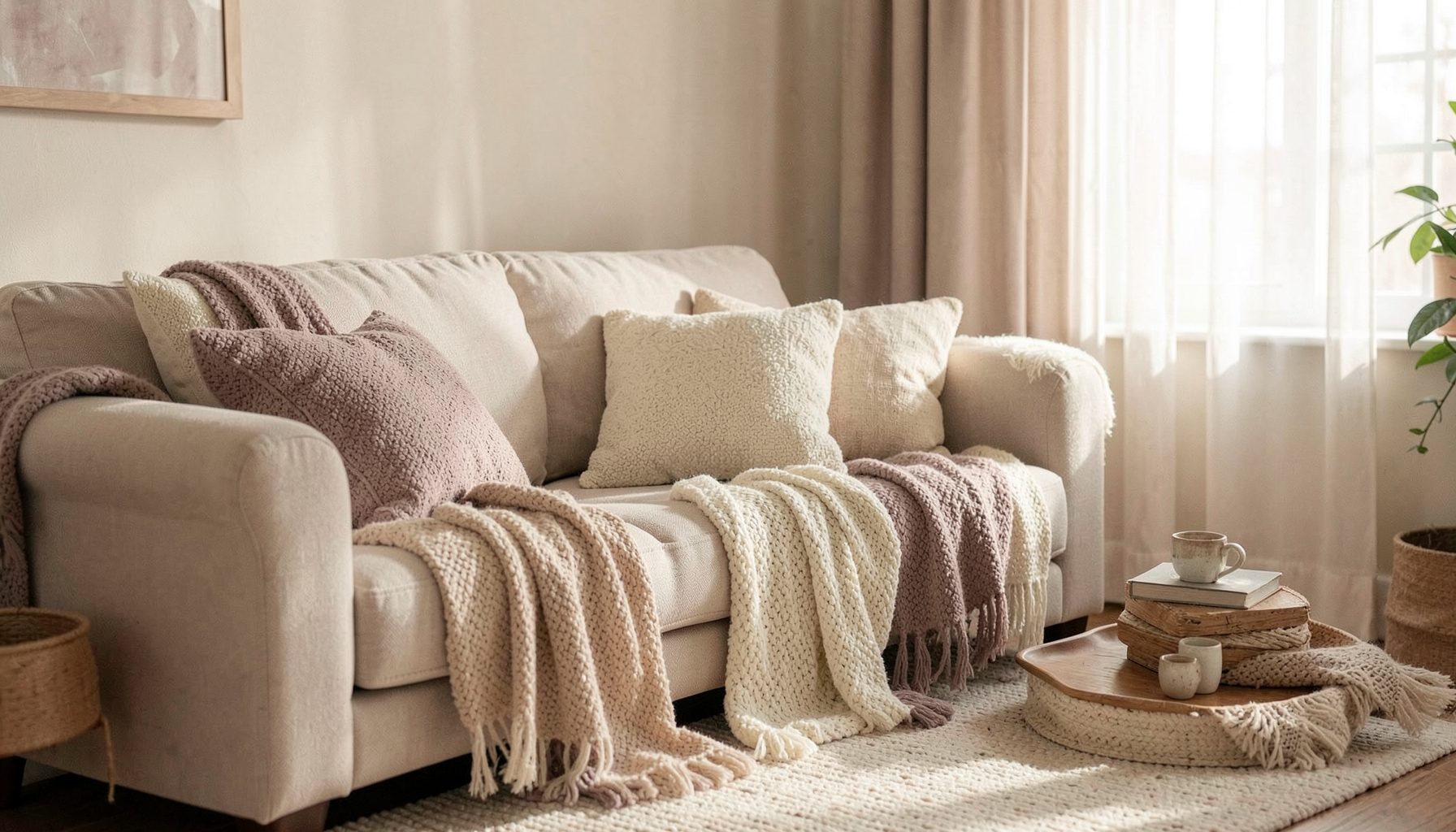
Toys have always moved faster than our tidying system. Books end up under the couch, train tracks spread across the rug, and a much-loved dinosaur waits beside the breadbin. We stopped treating that as failure. A family room needs to be inviting, usable and easy to recover, not so polished that nobody wants to sit down.
How we keep our living room tidy when toys take over is through a few repeatable habits: defined play zones, a basket for overflow and a short reset each evening. It works because the system belongs to all of us rather than depending on one adult noticing every stray block. The room looks better, but the bigger win is calmer family time.
Start with zones, not perfection
The first change was dividing the room into three simple play zones. Building toys live near the sturdy coffee table, small-world play has a low shelf, and books sit within reach of the sofa. We avoid complicated arrangements because children are more likely to maintain a system they can understand at a glance.
| Quick daily reset | Weekly sort | Seasonal edit |
|---|---|---|
| Clear surfaces and return obvious toys | Group loose pieces and check baskets | Remove toys nobody plays with |
| Takes about ten minutes | Takes longer and may need two adults | Happens every few months |
| Maintains a usable room | Finds missing pieces and damaged toys | Stops the collection growing |
Each zone has one container and one clear rule: if a toy belongs there, it goes back there when play ends. That is enough structure for us. Trying to create a separate home for every type of toy usually creates more work than our compact living room can handle.
Give every toy a practical home
We group toys into broad categories rather than labelling every individual box. Building blocks, vehicles, pretend play, puzzles and books each have a place. Clear tubs work best for small pieces, while fabric baskets suit larger, soft toys. The important thing is that children can put something away without asking an adult where it belongs.
Storage containers also need to survive Australian conditions. During humid summers, we use lids that close properly so dust and insects stay out, and damp toys are dried indoors rather than left sealed in a garage. A shaded verandah or covered patio can provide overflow storage, but it should not become the permanent home of anything easily damaged by weather.
The overflow basket is our pressure valve. When it is full, toys stay in the basket until the next sort rather than returning immediately to cupboards. This stops tidying from becoming an endless loop of moving the same items from one place to another.
Rotate favourites without creating more mess
We split the collection into smaller groups and keep only some within easy reach. The rest live in labelled tubs until their turn comes around again. Children usually notice and enjoy this approach because familiar favourites reappear after a break.
Rotation also helps us decide what has genuinely been ignored. A toy that remains uninteresting through several turns can be donated or taken to one of our local op shops. Anything still played with every week earns a permanent spot, even if it is old or well loved.
Outdoor play gives the system a useful release valve. In good weather, the backyard, balcony or front verandah can handle cars and larger games. Sunscreen, hats and water are part of the routine, and toys come back in when the outdoor session ends. We keep a small indoor selection ready for evenings, sudden rain or days when everyone needs to stay inside.
Build a ten-minute family reset
Our evening reset starts while a favourite song plays. Everyone carries what they can, and the adult handling the overflow basket checks for missing pieces. We stop when the song finishes, which keeps the task predictable and prevents bedtime from turning into a long cleaning session.
The jobs change as the children grow. Younger children can return one item or clear a soft-toy basket, while older children take responsibility for a whole zone. A small picture checklist helps, although we do not use rewards that create pressure to tidy quickly or guilt anyone who misses a day.
Once a week, we choose one basket to sort properly. Finding a missing train or removing a broken puzzle often provides more motivation than a general clean. School holidays, Easter and Christmas can produce a sudden toy surge, so we prepare an extra container before those periods rather than squeezing everything into the usual spaces.
Shop for storage that suits Australian homes
Our storage choices reflect the range of Australian homes, from compact Sydney and Melbourne flats to suburban houses with a garage or backyard. In smaller spaces, we measure doorways, stairwells and lift sizes before buying large bins. Vertical shelves, under-bed boxes and narrow bench seats often provide more usable room than a row of bulky cupboards.
Kmart, Target and Bunnings are useful places to compare tubs, baskets and modular shelving, while online marketplaces can offer cheaper options. We check prices in Australian dollars, read customer photos and leave room for delivery differences outside major cities. Cheap containers are less useful if they do not stack, open easily or match the available space.
The same practical, budget-aware approach I use on Oh So Amelia matters when choosing furniture as well as containers. We measure first, anchor tall shelves to the wall and avoid anything that could tip over. The best storage is the kind we can move, clean and use every day rather than an expensive solution that creates more work.
Adapt the routine as family life changes
A new baby changes which rooms need to stay clear and which toys need to be reachable. We move bulky play equipment away from the spaces used for feeding, settling and changing. A useful starting point is this realistic newborn budget list, which shows how practical planning can prevent unnecessary purchases when the household routine shifts.
As children develop new interests, old favourites can move into memory boxes or shared storage. Building toys may become less appealing just as pretend play takes over, so we judge them by current use rather than the price we paid. Keeping a small sentimental box also stops us from feeling that every unused toy must be kept forever.
We also plan for guests, grandparents and family trips. A portable activity bag can hold a few quiet toys for a long drive or a visit, while a lidded box protects car contents from sand and crumbs. Our system needs enough flexibility to handle these ordinary Australian family days.
Keep the system flexible
No routine survives every stage of family life without adjustment. When school runs late or work is busy, the reset may become a five-minute surface clear instead of a full put-away. If that happens several times, the rule is too complicated and needs simplifying.
Some toys stay because they carry memories rather than because they are educational. One wooden train, a cardboard castle and a faded art portfolio remain in the family keepsake box. That family tradition began when we compared popular boy names years ago and wanted to personalise a small storage box for our eldest.
For us, a room with a few toys still in the middle feels lived-in. The rest of the plan simply makes those everyday moments easier.