How we plan a weekly date night at home after the kids are in bed
A weekly date night at home gives us time to reconnect without arranging a sitter, driving across town or spending a large part of the household budget on one evening. Once the children are asleep, we can turn an ordinary weeknight into something that feels intentional, even if the lounge still contains toys and the dishwasher needs attention.
Our plan is flexible rather than elaborate. Some weeks involve a cooked meal and a film; others are simply dessert, a cup of tea and half an hour of proper conversation. The important part is protecting a little space for our relationship while keeping the routine realistic for family life in Australia.
| Date night style | Preparation time | Approximate cost | Best for |
|---|---|---|---|
| Takeaway and a film | 10 minutes | $25–$60 | Exhausted weeks |
| Homemade grazing plate | 20 minutes | $15–$30 | Easy conversation |
| Cook a new recipe | 45 minutes | $20–$45 | A shared activity |
| Living-room picnic | 15 minutes | $10–$25 | A change of scenery |
| Dessert and cards | 10 minutes | $5–$20 | Short evenings |
Choose a night that can actually happen
We usually choose the evening at the start of the week, after checking school activities, work commitments and the children’s bedtime patterns. Friday can sound appealing, but it is often the night when everyone is worn out. A Wednesday or Thursday may work better, particularly during busy school terms in Sydney, Melbourne or Brisbane.
The plan goes into the family calendar as a small commitment rather than a grand event. If the children are unsettled or one of us has a late shift, we move it to another night instead of treating the week as a failure. A regular rhythm matters more than always keeping the same day.
Make the evening feel different
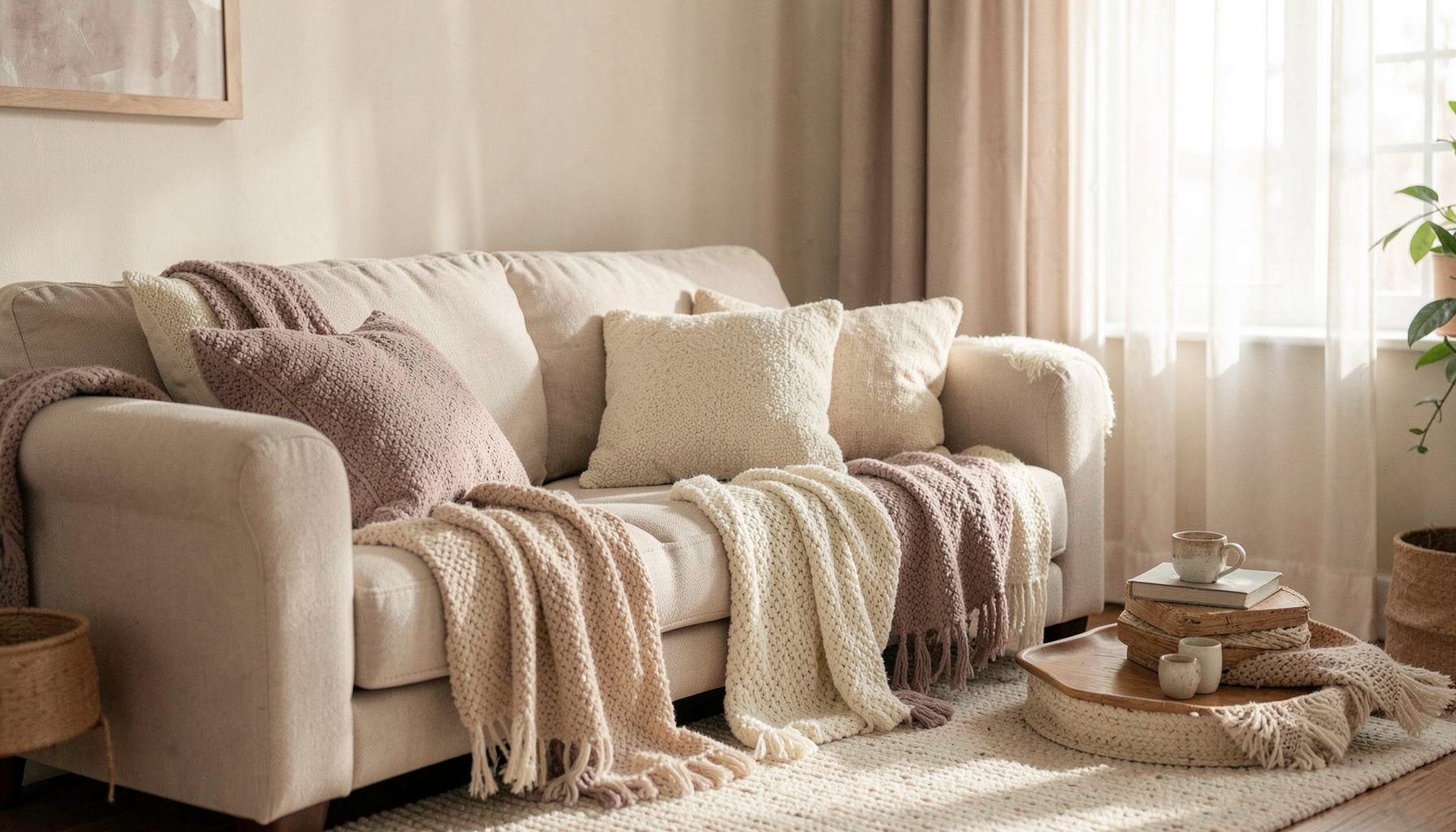
The quickest way to create a date-night mood is to change the room. We clear the coffee table, put away the brightest toys, dim the lights and use a lamp or a few battery candles. In summer, when daylight can linger late in parts of Australia, we may sit outside with a cool drink once the air becomes comfortable.
Getting changed also helps. We do not dress formally, but putting on something other than school-run clothes signals that the evening has started. I write about these small family rituals, home routines and everyday moments on my family lifestyle blog, because practical habits often make a bigger difference than expensive plans.
Keep the menu low effort
Food should support the evening rather than take it over. A supermarket grazing board with crackers, cheese, grapes, olives and something sweet can be assembled quickly from a Coles, Woolworths or ALDI shop. We also use leftovers creatively, turning roast vegetables into flatbreads or serving a small curry with warm naan.
When we cook, we choose one recipe with manageable preparation and divide the jobs. One person chops while the other handles the pan or sets the table. On very tiring weeks, takeaway is completely acceptable. We check the total before ordering, including delivery fees, and remember that Australian advertised consumer prices generally include GST, which makes comparing the final cost easier.
Build a small at-home date ritual
We like having one activity that gives the evening shape. It might be choosing a film from a shortlist, playing cards, working through a puzzle or opening a bottle of sparkling water with dessert. A living-room picnic on a blanket can make familiar food feel new without adding much work.
Conversation is part of the ritual too. We talk about something that made us laugh, a household decision, a future day trip or a memory from before we had children. Phones are placed out of reach for at least the first part of the evening. The goal is not to have a profound discussion every week; it is to notice each other beyond logistics.
Protect the household budget
We set a loose weekly limit so the date night remains enjoyable rather than becoming another source of financial pressure. A home-cooked meal, supermarket dessert and a streaming service already available in the household can cost less than a single restaurant main course. During expensive months, free options such as a balcony picnic, board game or shared playlist work just as well.
We also use what is already in the pantry before buying special ingredients. A small treat from the local bakery or a favourite bottle can be included occasionally, while ordinary nights rely on staples. This approach fits naturally with Australian family budgeting, where grocery prices, fuel and school costs can quickly absorb the spare money that might otherwise go towards entertainment.
Handle interruptions kindly
Children do not always stay asleep, and a date night can be interrupted by a nightmare, illness or a request for water. We keep expectations low enough that one interruption does not ruin the evening. One adult can settle the child while the other keeps the food warm or pauses the film.
We also avoid using the evening to raise every unresolved household issue. Practical conversations have their place, but a weekly couple ritual needs some protection from arguments about washing, bills and tomorrow’s school lunch. If an important matter comes up, we make a note and return to it at a calmer time rather than allowing it to take over the whole night.
Finish with a tradition worth repeating
Ending in the same gentle way makes the routine easier to maintain. We might share a dessert, choose the next film or decide on the following week’s meal before cleaning the kitchen together. In homes where alcohol is included, we keep servings moderate and follow Australian age and responsible-service expectations, even when the drink is enjoyed privately.
The final few minutes are often the most valuable. We say one thing we appreciated about the other person and then reset the room for the morning. Over time, these modest evenings become a family tradition in the background: the children know that bedtime creates a little adult space, and we have a dependable way to reconnect without leaving home.