Our Family’s Favourite Indoor Activities for Rainy Days
Rainy days can change the rhythm of family life in minutes. A planned trip to the park may become an afternoon indoors, with wet shoes by the door and children looking for something to do. In our home, these unexpected pauses have become a chance to slow down, play creatively and enjoy simple family time.
Australian weather makes this especially familiar. Melbourne can deliver four seasons in a day, while Brisbane families may find a summer storm cancelling outdoor plans without much warning. Rather than treating rain as a disaster, we keep a small collection of indoor games, craft supplies and easy recipes ready for those grey afternoons.
The best activities do not need expensive equipment or a perfectly tidy house. Cardboard boxes, cushions, masking tape and items from the recycling bin can provide hours of entertainment. A little preparation also helps parents avoid spending money on novelty toys that lose their appeal after a week.
Our approach is practical and flexible. Younger children might want sensory play or a treasure hunt, while older children may prefer baking, board games or a film afternoon. The aim is to create enjoyable memories without turning every rainy day into a major project.
Building A Cosy Indoor Routine
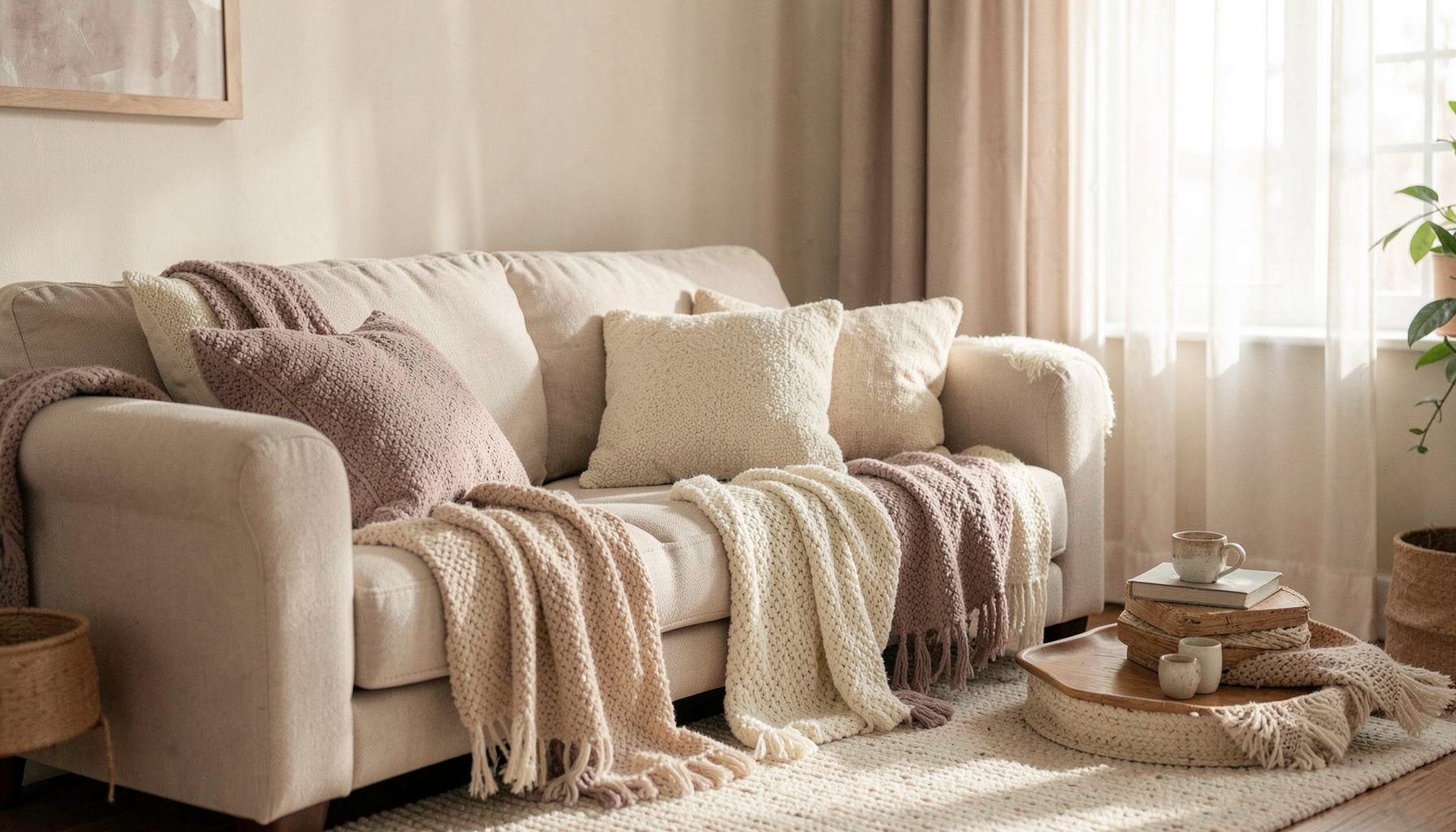
We usually begin by making the house feel different from an ordinary weekday. Drawing the curtains, putting on comfortable clothes and making warm drinks can signal that this is a special indoor afternoon. In cooler parts of Australia, a blanket and a safe heater make the living room inviting, while families in warmer areas may rely on fans and open windows once the storm passes.
A simple activity basket is useful. Ours contains colouring materials, stickers, glue, child-safe scissors, playing cards and a few puzzles. Keeping everything together means we can start quickly instead of searching through cupboards. We also use a washable mat or an old tablecloth for messy projects, which makes cleaning up far less stressful.
The home and family space reflects this preference for practical routines, with everyday comfort taking priority over having a picture-perfect house. Children are more likely to enjoy creative play when they are allowed to make a reasonable amount of mess.
Making Art From Everyday Things
Recycled craft sessions are a firm favourite. Empty cereal boxes become castles, takeaway containers turn into pretend shops and toilet rolls can be transformed into binoculars or characters for a puppet show. We let the children decide what the materials will become, even when the finished creation looks nothing like the original plan.
Painting is another easy option, although it helps to offer a small amount of colour at a time. Watercolours, chalk and washable markers are less demanding than permanent paints. For a quick activity, the children can decorate paper plates, make greeting cards or create a family calendar for the coming month.
We also enjoy making a rainy-day story together. One person chooses a character, another adds a setting and someone else decides what problem needs solving. It encourages imagination and language skills without feeling like schoolwork. Younger children can draw the scenes while older children write captions or dialogue.
Getting Everyone Moving Indoors
Indoor exercise helps when children have spent hours watching the rain from the window. We clear a safe section of the lounge room for musical statues, animal walks and balloon volleyball. Soft balloons are preferable to balls around lamps, television screens and glass cabinets, and the rules are kept simple enough for different ages.
An indoor obstacle course can use cushions, dining chairs, masking-tape lines and a laundry basket. Children might crawl under a table, balance along a taped path and toss rolled-up socks into the basket. We check the floor first and remove anything slippery, particularly in tiled Australian homes where wet feet can make accidents more likely.
A treasure hunt adds a little excitement. Clues can lead children from the bookcase to the kitchen and back to the living room, with a small prize such as choosing the afternoon snack or the next game. This costs nothing and can be adjusted for toddlers, primary-aged children or teenagers.
Cooking And Pretend Play
Baking gives children something practical to do and provides a snack at the end. Muffins, scones and homemade pizza are forgiving recipes, so uneven shapes rarely matter. Measuring ingredients introduces basic maths, while kneading dough offers a satisfying sensory activity for children who enjoy using their hands.
Food safety still matters, particularly when several children are helping. An adult handles hot trays, sharp knives and the oven, while children can mix, decorate and arrange ingredients. We also talk about handwashing and keeping raw egg away from ready-to-eat food.
Pretend play often develops naturally around cooking. A cardboard café can include menus, play money and a booking list, with children taking turns as customers and staff. Using Australian coins for the shop game makes it familiar, and it can quietly reinforce counting without turning the activity into a lesson.
| Activity | What You Need | Best For | Approximate Cost |
|---|---|---|---|
| Cardboard café | Boxes, paper, pencils, toy or real cups | Imaginative play | Almost free |
| Indoor obstacle course | Cushions, tape, laundry basket | Active children | Free |
| Homemade pizza | Basic ingredients and toppings | Mixed ages | Low |
| Family movie afternoon | Streaming service or DVDs, blankets | Quiet time | Already owned or low |
| Treasure hunt | Paper clues and a small reward | Early primary years | Free |
Choosing Low-Cost Family Entertainment
Rainy weather can tempt families into shopping centres, cafés and indoor play venues. These can be enjoyable, but entry fees, food purchases and transport costs add up quickly during school holidays. We often check our local council website for free library sessions, community events and holiday programs before paying for a commercial activity.
Second-hand shops and Australian op-shops are excellent sources of puzzles, books, dress-up clothes and board games. Kmart and supermarket craft aisles can also be useful for inexpensive supplies, although buying a small selection is usually better than filling a trolley with items that may not be used. A library card can provide novels, picture books, DVDs and activity ideas without adding to the household budget.
When buying a toy, craft kit or electrical item, we check the packaging and instructions carefully. The Australian Consumer Law gives consumers protections when products are unsafe, faulty or do not match their description, but age recommendations and supervision remain important. Cheap does not always mean good value if an item breaks immediately or creates a safety concern.
Settling Down With Stories And Screens
A rainy afternoon is also a good time for a family reading pile. Each person chooses a book, and we take turns reading aloud or sharing favourite illustrations. Audiobooks can help children relax when parents are tired, while older children may enjoy graphic novels, magazines or a short non-fiction book about animals, space or Australian history.
We do use screens, but try to make them part of a balanced plan. A family film feels more special when children help choose it, prepare snacks and settle under blankets. We check the classification and suitability first, especially when children of different ages are watching together, and we avoid allowing the afternoon to disappear into unplanned scrolling.
After a film, we sometimes draw a new ending, act out a favourite scene or compare the characters’ choices. That small follow-up turns passive viewing into shared conversation and often leads to more imaginative play.
Making Memories In Small Spaces
Some of our happiest wet-weather moments have come from simple traditions. We might have breakfast for dinner, build a blanket fort or hold a family quiz with questions about pets, holidays and funny things that have happened at home. These ideas work in a large house, a rented flat or a compact unit.
Rain can also be an opportunity to involve children in useful jobs. Sorting a drawer, pairing socks or wiping low surfaces can become a timed challenge with music playing in the background. We keep expectations realistic and praise participation rather than perfection. The goal is to share responsibility, not create extra pressure for everyone.
For households managing tight finances, small pleasures can feel especially valuable. Planning meals before baking, using what is already in the pantry and avoiding impulse purchases can make a difference. Our approach to managing household debts supports the same principle: enjoyable family life does not need to depend on expensive outings.
Keeping The Rainy-Day Kit Ready
At the end of a wet afternoon, we put reusable supplies back into their basket and note which activities worked well. This takes only a few minutes and means the next unexpected downpour feels easier to manage. Finished artwork can be displayed briefly, photographed or recycled once its moment has passed.
It helps to keep a few age-appropriate options available rather than expecting one activity to suit everyone. A toddler may need a simple sorting game, a primary-aged child might prefer a craft challenge and a teenager may want to cook independently or play a strategy game. Flexibility prevents ordinary boredom from becoming a family argument.
Rainy days will still bring noise, spills and moments when everyone needs space. Yet a collection of familiar indoor games, creative projects and low-cost traditions can turn a disrupted plan into a comforting family memory.