Best family photo ideas for a natural shoot at home
Family photographs taken at home can feel warm and honest when they follow real life rather than a rigid pose list. For a natural photo shoot at home, the strongest ideas build on familiar spaces, predictable routines and small moments your family already enjoys.
Living in Australia makes home shoots flexible but weather-dependent. A suburban Sydney or Melbourne backyard, a compact terrace lounge, or a bright Queensland kitchen can each become a backdrop, while summer UV and daylight-saving changes call for careful timing.
Keep the camera ready for ordinary moments: pouring cereal, building a blanket fort, gardening or changing a pyjama outfit. You do not need expensive props, professional lighting or a long session; ten focused minutes can produce a varied collection that still feels unmistakably like your family.
Plan the session around real family life
Choose a time when everyone has food, nappy changes or a calm patch under control. A short session around the after-school snack, weekend breakfast or pre-dinner play often produces better expressions than trying to gather a tired family at sunset. Build a loose sequence of three activities and let each one run naturally rather than stopping for every frame.
Walk through the rooms before everyone arrives and decide where you want light, movement and a quieter portrait. Clear a small area, move duplicate cushions out of sight and turn off overhead lights; clutter can stay if it tells your story, but distracting toys need not. For more everyday family inspiration, our family journal is a useful reminder that real family moments are often the ones worth keeping.
Use available light and familiar corners
Australian daylight can be bright and unpredictable, so work with it instead of fighting it. In summer, start near a window in the early morning or after the late-afternoon heat eases; in winter, an open doorway can provide soft, even light. Daylight-saving shifts may move your ideal window, so check the weather and sun direction rather than relying on the clock alone.
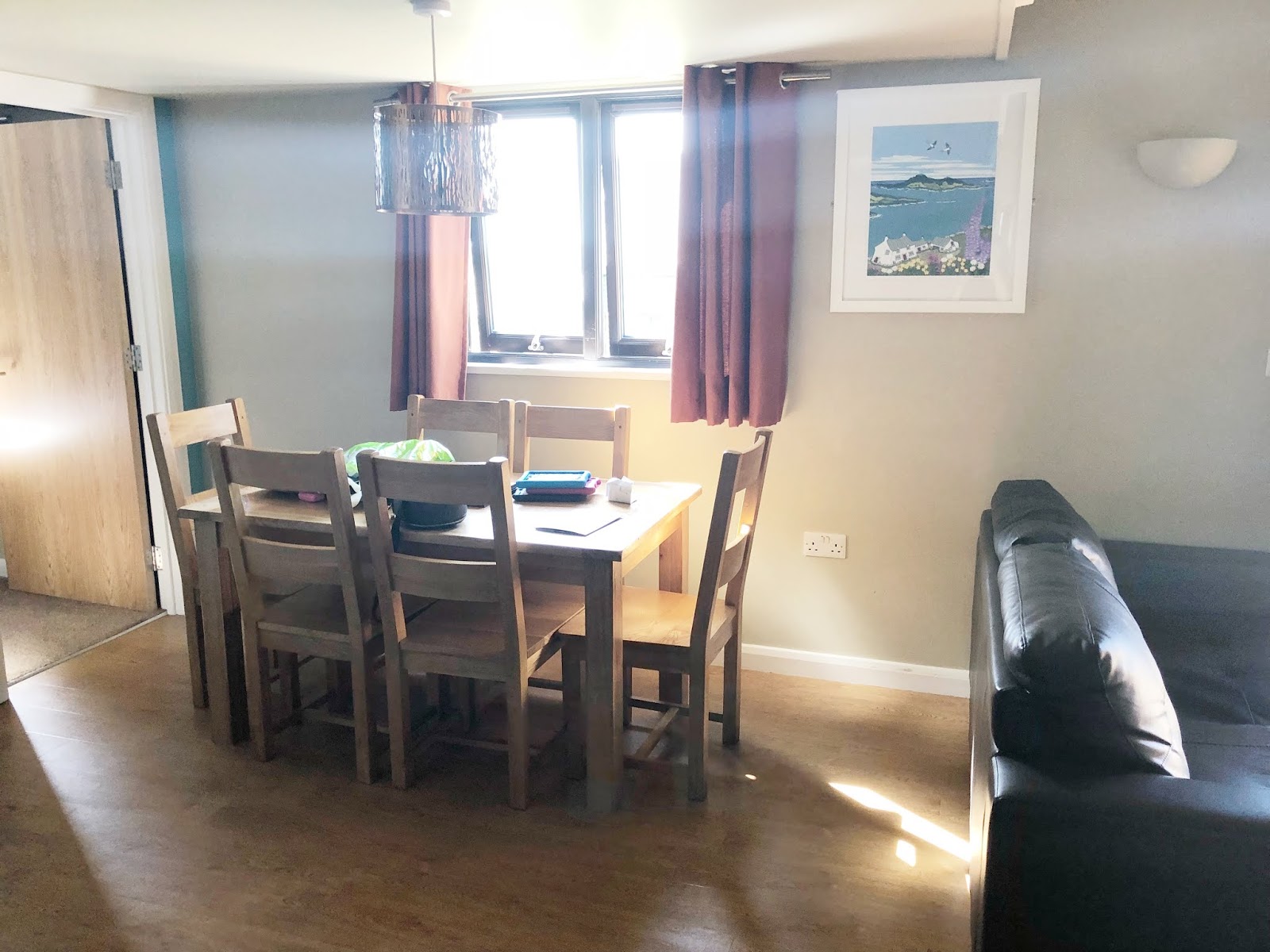
Backyards in outer suburbs often offer space for running, while apartments and inner-city terraces can rely on a balcony, hallway or lounge-room corner. Face people towards the brightest window, keep the wall behind them simple and photograph from hip height to make the scene feel less formal. For a glimpse of how a lived-in family home can provide characterful photo spots, take a look at our home.
Turn routines into playful photo prompts
Good prompts connect with what your household already does. During breakfast, photograph hands pouring milk, sharing toast or fitting pyjama shoes; in the afternoon, organise a soft-ball game, a dance-off or a hunt for matching socks. Give each idea a few minutes, then let the camera follow the action. Faces and relationships usually become more natural once people stop looking directly at the lens.
Use the season and local customs as structure, not as a reason to force a smile. An Easter egg hunt, Christmas lunch preparation or an Australia Day backyard game can supply colour, movement and familiar details. Props can come from a toy box, a Bunnings storage hack, Kmart Australia or a Vinnies op shop, so the finished pictures feel personal rather than purchased for one perfect afternoon.
Make the pictures inclusive and personal
Let each person contribute something different: one child can wear the silly sunglasses, another can care for the puppy, and a parent can be captured dancing while the rest prepare dinner. Include close-ups of hands, shoes, shared meals and the spaces you use, but also step back for wider family views. Mix planned and accidental frames so the shoot documents who your family is now, not how neatly it can perform.
Visibility and consent matter as children grow. Do not publish a photograph that may expose a private identity without discussing it with the child first, and avoid presenting a family member's sexuality as a novelty. A clear explanation of understanding bisexual erasure can help adults recognise the harm in erasing someone, while respectful photographs make room for every family member's real story.
Compare simple setups for different shoots
Choose the setup according to the memory you want, not the equipment you happen to own. Phones are excellent for spontaneous movement and quick sequences; a mirrorless camera can give you cleaner portraits and more control over shallow depth of field. In either case, use burst mode for movement, check the focus on the nearest eyes and take several quiet frames before changing the activity.
Keep clothing simple, remove watches or name labels that catch the eye, and tidy only the immediate background. A chair can become a seat for a reading scene, a laundry basket can hold a teddy, and a sunny patch can define the playing area. Variety within one location comes from changing height, distance and activity rather than filling every corner with furniture.
| Setup | Best for | Simple home arrangement | Why it works |
|---|---|---|---|
| Phone during breakfast | Candid family rituals | Kitchen counter and window light | Captures gestures without pausing |
| Mirrorless beside a window | Clear individual portraits | Plain wall with the subject turned towards the glass | Soft light and sharper faces |
| Phone in the backyard | Active outdoor moments | Shaded grass, sandbox or clothesline | Movement adds energy |
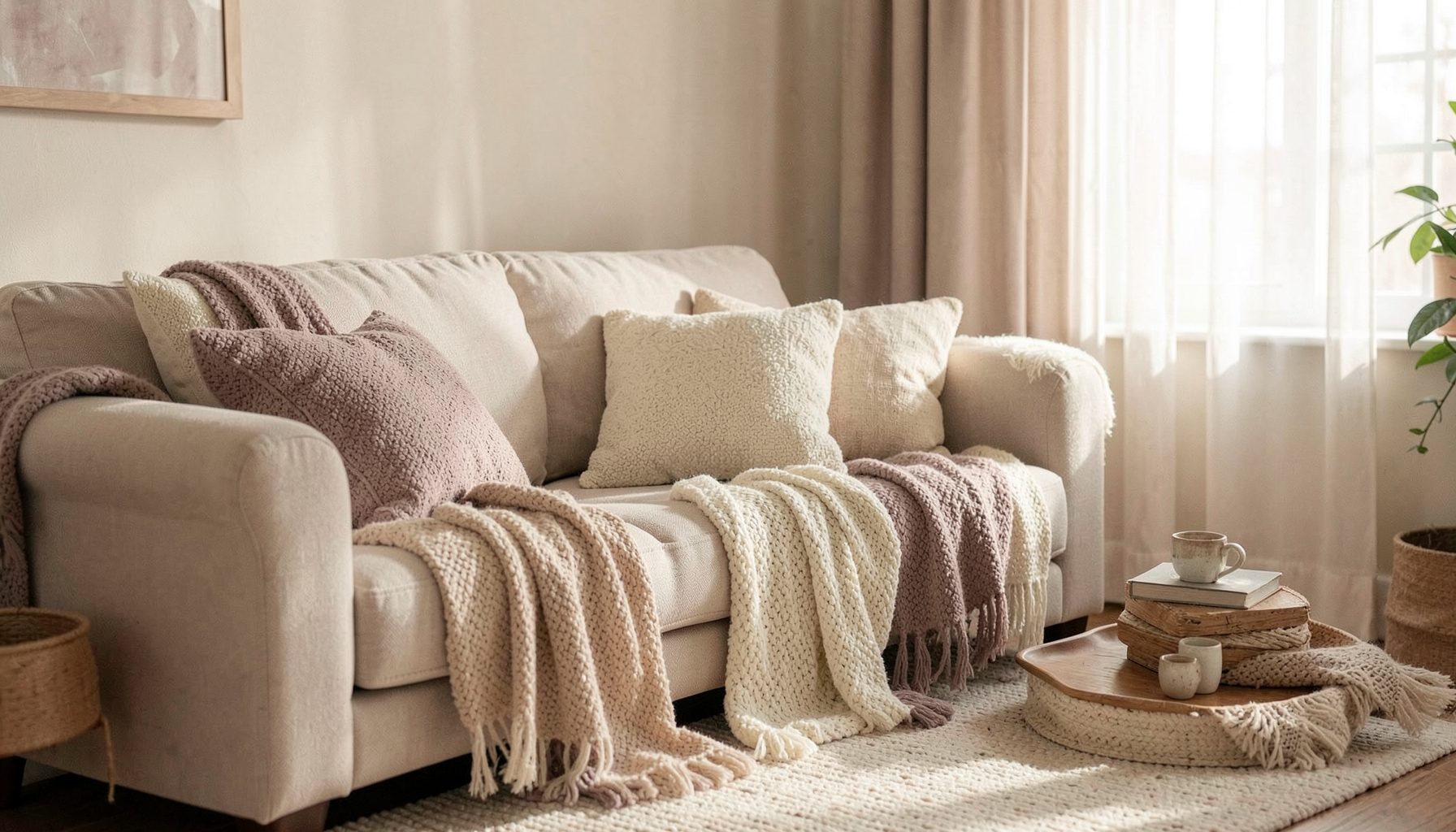
| Lounge-room close-ups | Intimate everyday details | Sofa, rug and gentle window light | Makes an ordinary space feel cosy |
The strongest home collection combines a few clear portraits with the loose jokes, movement and ordinary care that happen between them. Review the images together, print one that feels like your family and keep the imperfect frame where the dog appears or the toast goes crooked. That unpolished detail is often what gives a home shoot its lasting emotional value.