Compact Storage Solutions for Busy Australian Families
Compact family homes create plenty of opportunities for clever organisation. A narrow Sydney terrace, a Melbourne apartment with a small balcony, or a suburban house with limited cupboard space can all feel crowded quickly when school bags, sports gear, laundry and toys accumulate. Storage works best when it follows the way your household actually moves through the day.
The most practical storage solutions for a small family home combine useful furniture, accessible containers and sensible routines. The goal is not to hide every possession behind closed doors; it is to make everyday items easier to find, return and keep in good condition while preserving space for the people who live there.
Start by identifying where clutter collects and how often each item needs to be reached. A storage zone that saves space but requires household members to climb, kneel or dig through boxes may look organised yet create daily friction. Good solutions suit the room, the routines and the people using it.
Begin with the busiest zones
The entryway is often the first place to tackle because it handles several categories at once. A slim bench can store shoes while a row of hooks holds school hats, lightweight bags and jackets. Keeping a small tray on top for keys and permission notices prevents those useful items disappearing beneath the daily pile.
Kitchens and laundries benefit from vertical organisation. Shelf risers can double the visible capacity of a pantry, while stackable baskets separate clothing for different household members. Reserve the easiest-to-reach shelves for breakfast items and clean school uniforms; put occasional equipment higher or in less accessible cupboards.
Turn walls and doors into capacity
Before adding freestanding furniture, look at the walls, doors and unused ends of rooms. Narrow shelving can hold books, cleaning products and lidded baskets without reducing the walking area. In compact spaces, a full-width wall used properly often provides more storage than several bulky units crowding the centre of a room.
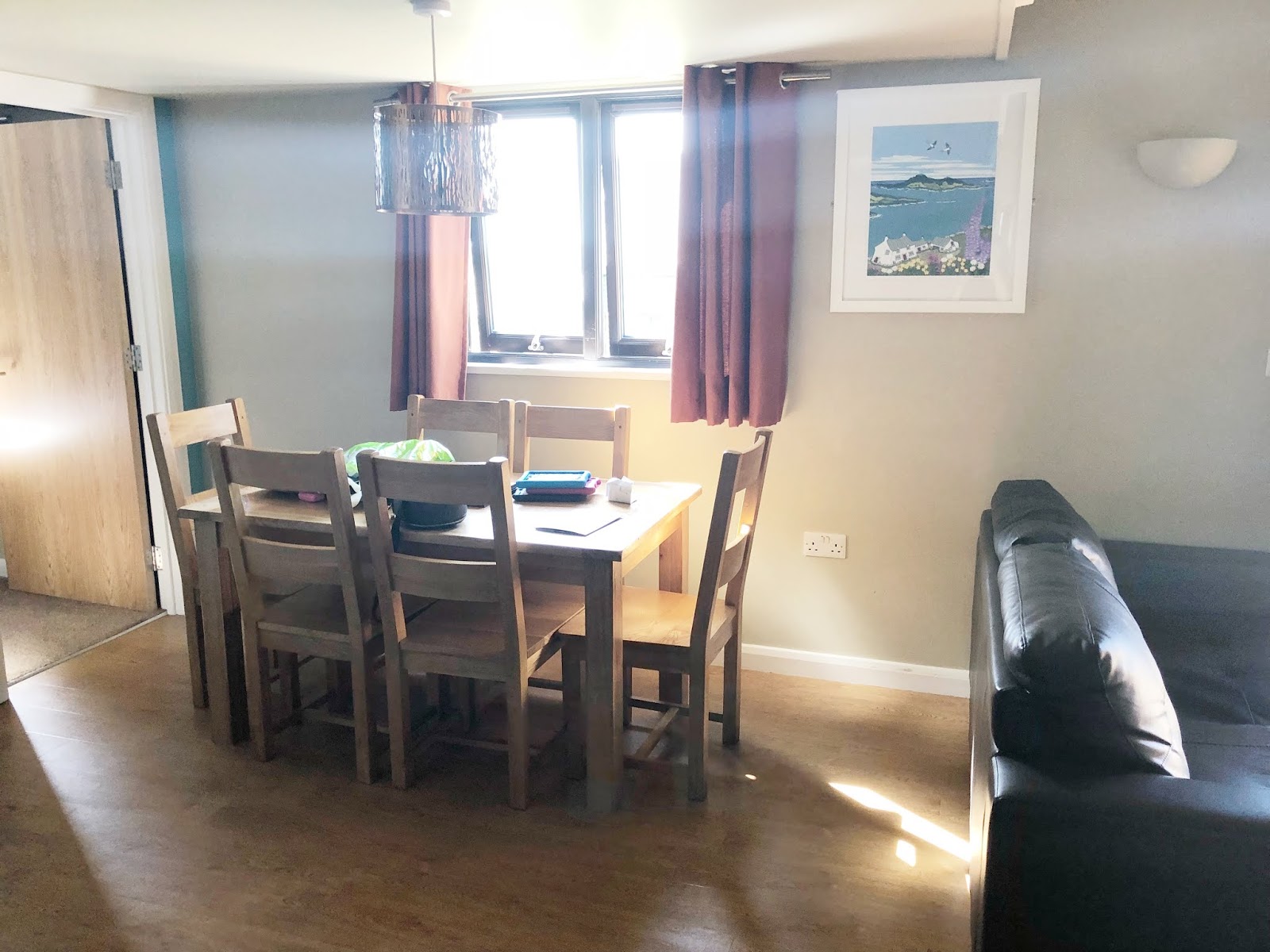
Install high shelves for light, infrequent items and lower storage for anything children need independently. Anchor units securely, especially in family homes where children may climb or pull. For a real-life sense of scale, the shelves, baskets and labelled zones shown in our home setup offer a useful reference for making vertical space look intentional rather than overloaded.
Match the method to the room
Choose storage according to what needs to be stored, who uses it and whether it must remain visible. Open bins make toys easier to put away, while opaque containers create a calmer appearance. Transparent pantry containers are useful for dry goods, but labelled drawers can make tea, coffee and breakfast supplies quicker to find.
| Household zone | Practical option | Why it works | Common mistake |
|---|---|---|---|
| Entryway | Slim bench and wall hooks | Holds shoes, bags and school hats | Blocking the door or walkway |
| Pantry | Adjustable shelf risers | Uses vertical space for cans and packets | Storing everyday items out of reach |
| Laundry | Lidded sorting baskets | Separates clothing before washing | Overfilling baskets so lids stay open |
| Children’s room | Open bins grouped by type | Makes toys easy to return | Keeping too many categories |
| Living area | Nesting ottomans | Provide seating and concealed storage | Buying furniture without checking dimensions |
| Balcony | Weather-resistant cabinet | Stores sports gear and spare linen | Ignoring wind, humidity and secure latches |
Containers should be sized for their contents, not merely bought in matching sets. A large tub for a few small items wastes both money and room, while a shallow box for bulky clothing becomes awkward to use. Clear labels, photographs on the front and consistent categories make storage understandable to every adult and child in the family.
Choose furniture with a second job
Multipurpose furniture is particularly valuable in a small family home. An ottoman can hold soft toys, a bedside table can contain a charging station, and a dining bench can conceal craft supplies or table linen. Under-bed drawers use an otherwise neglected cavity for seasonal clothing, provided the space is dry and the drawers slide smoothly.
The best systems also account for how possessions circulate. A large clear-out may be followed by the same items returning unless they have easy homes. Family routine ideas from weekend family inspiration can help reveal where a shared habit, such as sorting laundry or tidying the entryway, would prevent clutter from rebuilding itself.
Buy for Australian homes and budgets
Measure the available space, doorway widths and ceiling height before choosing storage furniture. This matters in Australian housing, where compact terraces often have narrow halls and apartments may have balconies instead of sheds. Hot, humid summers also make ventilation and moisture-resistant materials important for clothes, cardboard boxes and pantry goods.
Local retailers such as Bunnings, Kmart and Target offer different advantages: Bunnings is useful for modular shelving and hardware, Kmart provides affordable lightweight storage, and Target carries broader furniture and organisation ranges. Compare the delivered dimensions and assembly requirements rather than focusing only on the shelf’s listed price. Flat-pack units may need two adults and a clear floor area to assemble.
Second-hand options can be equally sensible. Garage sales, Gumtree listings and op shops often contain sturdy cabinets, wooden boxes and modular storage that would be expensive new. Check for water damage, sharp edges, unstable shelves and missing fixings, and confirm that the piece fits its intended room before arranging collection.
Keep storage usable
A short reset each evening prevents storage from becoming a dumping ground. Return shoes to the bench, put clean laundry into its basket and place dirty items directly in the laundry room rather than on the sofa. A ten-minute routine is usually more effective than a lengthy clean once a week because items never travel through several rooms before being put away.
Review baskets and cupboard shelves regularly, removing anything that has remained unused for months. Keep duplicate supplies, broken pieces and forgotten paperwork out of circulation. When every category has a designated home and every home is easy to reach, compact family storage becomes less about squeezing possessions into space and more about creating a calmer, more functional home.