
The ultimate checklist for a UK staycation with kids
A UK staycation can be a refreshing family holiday without airport queues, long-haul flights or a packed overseas itinerary. From a Devon beach and a Yorkshire cottage to a woodland lodge near Edinburgh, staying within the UK gives families the chance to slow down while still enjoying a proper change of scene.
For Australian families planning a UK break, the details may feel slightly different. UK school holidays, narrow country lanes, cooler weather and rail travel all need consideration, while familiar habits such as applying sunscreen, carrying water and checking child-restraint rules still matter. A practical checklist makes the whole family getaway easier to manage.
Choose a destination that suits your family
Start with the type of break your children can genuinely enjoy. A seaside stay in Cornwall, Dorset or North Wales may suit families who need open space and simple entertainment, while a countryside cottage in the Cotswolds or Lake District works well for walks, board games and quiet evenings. City breaks in London, Manchester or Edinburgh offer museums and attractions, but they usually involve more walking and higher costs.
Think about travel time as carefully as the destination itself. Young children may cope better with a two-hour drive than a long journey involving several train changes. Older children might enjoy a rail trip to York or Bath, especially if you download films, pack snacks and treat the journey as part of the adventure.
Make a shortlist based on toilets, nearby food shops, playgrounds and rainy-day activities. A beautiful remote cottage can become difficult when the nearest supermarket is a 30-minute drive away and the forecast shows three wet days.
Set a realistic family budget
Write down the main costs before booking: accommodation, petrol or train fares, parking, meals, attraction tickets and groceries. Prices rise sharply during English school holidays, so families visiting from Australia should compare the UK calendar with NSW, Victorian or Queensland term dates if relatives are travelling together. Australian school holidays do not line up neatly with UK breaks.
Keep a separate allowance for small expenses. Ice creams, café stops, souvenir shops and coin-operated amusements can quietly consume a budget. A simple daily spending limit gives children some choice without allowing every request to become an unplanned purchase.
Compare self-catering accommodation with hotels and holiday parks. Cooking breakfast and preparing packed lunches can make a major difference, particularly when converting Australian dollars into pounds and allowing for card fees. Supermarkets such as Tesco, Sainsbury’s, Aldi and Lidl often offer useful family-sized products at lower prices than tourist cafés.
Check accommodation before paying
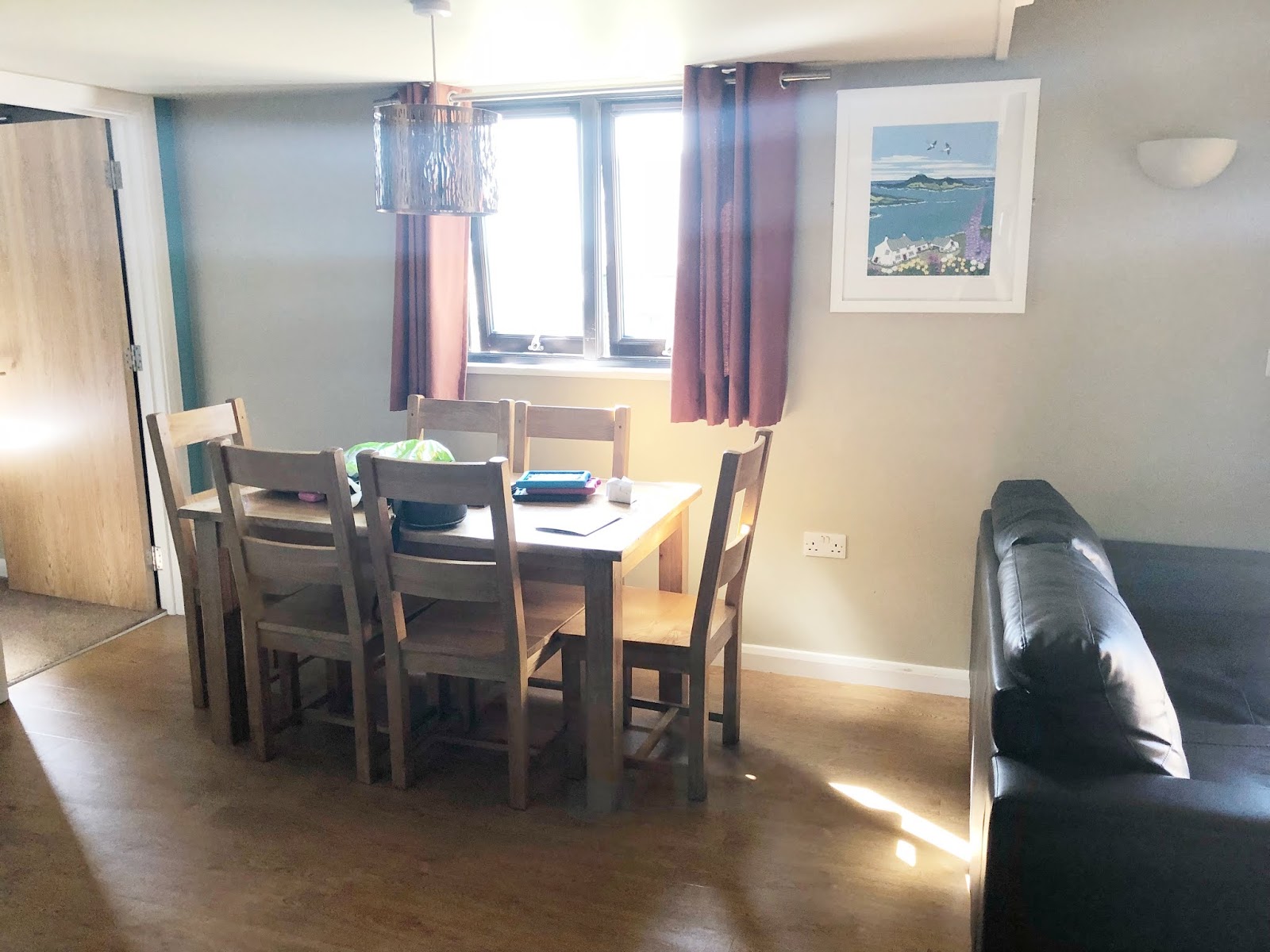
Read the complete listing rather than relying on attractive photographs. Confirm the number of beds, stair gates, cot availability, bath or shower arrangements, heating, washing facilities and outdoor security. Ask whether the property has a high chair, blackout blinds and a safe place to store a pram.
Look at the surrounding area on a map. A cottage may be advertised as being “near the coast” while still requiring a car journey to reach the beach. Check parking charges, mobile reception, supermarket distance and whether the access route includes steep hills or unpaved paths.
A quick household inventory can also reduce forgotten essentials. Kerry Louise’s family home ideas offer useful inspiration for creating practical, comfortable spaces, which is especially relevant when making a rented cottage feel organised for children.
Before confirming, read the cancellation policy and check what the cleaning fee covers. Under Australian Consumer Law, services must generally be provided with due care and skill and match their description, but cancellation rights for accommodation still depend heavily on the booking terms and provider.
Pack for British weather
The UK can produce sunshine, showers and chilly evenings in the same day. Pack waterproof jackets, comfortable layers, spare socks and shoes that can cope with mud. Even during summer, a light jumper is useful, particularly for coastal walks and evenings outdoors.
For Australian families, the cooler climate may make thermal layers more important than expected. Keep a compact day bag ready with water bottles, snacks, tissues, hand sanitiser, sun hats and sunscreen. UK sunshine can still cause sunburn, and applying SPF remains an everyday habit worth keeping from home.
Pack familiar comfort items for younger children, including a favourite toy, night-light or sleeping bag. A small laundry bag, stain remover and resealable containers help manage spills and muddy clothing without filling the whole accommodation with damp items.
If you are flying into the UK before beginning the domestic break, check baggage restrictions for medicines, baby food and equipment. Hiring a car seat can be convenient, but inspect its condition and confirm it is suitable for your child’s height and weight.
Plan the journey around children
Avoid treating travel as dead time. Download audio stories, films and offline maps, and prepare a small activity pouch with colouring books, stickers and magnetic games. Give each child a snack box with foods that are easy to eat and unlikely to create a major mess.
For road trips, schedule regular stops rather than waiting for everyone to become overtired. UK service stations often have play areas, toilets and food options, although prices can be higher than local supermarkets. On rural routes, fill the fuel tank before entering areas with limited petrol stations.
Families hiring a car should check the UK rules for child restraints and seat belts before collecting the vehicle. Australian child-seat legislation varies between states and territories, so a restraint that is legal in Sydney may need different arrangements in Britain. Confirm the requirements with the hire company and bring clear details about your child’s age and size.
If travelling by train, reserve seats where possible and avoid peak commuter periods. A lightweight foldable pram is easier on busy platforms, while older children can carry a small backpack with their own water and entertainment.
Build a flexible daily itinerary
Choose one main activity each day and leave room for rest. A visit to a castle, farm park, aquarium or National Trust property can be enough for a full morning, followed by lunch and downtime. Children usually enjoy a manageable plan more than a rushed list of attractions.
Check opening times, booking requirements and age restrictions before leaving the accommodation. Popular places such as the Warner Bros. Studio Tour, London museums and major theme parks may sell timed tickets weeks ahead. Smaller attractions can close unexpectedly during quiet seasons, so save an indoor alternative for wet weather.
Keep meals simple when energy levels drop. Breakfast at the accommodation, a packed picnic and one planned restaurant meal can reduce queues and spending. Australian families may be used to buying takeaway coffee or snacks during errands, but repeated café stops in tourist areas can quickly alter the budget.
A few familiar routines help children settle. Keep regular bedtimes where practical, offer quiet time after busy outings and allow children to choose one activity during the week. A holiday feels more special when everyone has some ownership of the plan.
Prepare for meals, birthdays and family moments
Self-catering works best when the first food shop is planned before arrival. Bring a short list of breakfasts, lunches, dinners and snacks, then purchase only what the family will use. Check whether the accommodation provides basics such as oil, salt, tea and washing-up liquid rather than assuming they will be there.
If the trip includes a birthday or another celebration, keep decorations lightweight and choose a simple activity. A picnic, homemade cake and treasure hunt can feel more memorable than an expensive venue. The practical ideas in this guide to stress-free birthdays can be adapted for a holiday celebration with limited kitchen equipment.
Take a small celebration kit containing candles, matches, reusable bunting, a tablecloth and a few washable decorations. Avoid glitter and confetti in rented accommodation, and check whether candles or balloons are permitted. Photograph special moments, but protect some screen-free family time as well.
At the end of the stay, leave enough time for rubbish, dishes, laundry and a final room check. Pack chargers, comfort toys and medication first, then inspect drawers, bathrooms and outdoor areas. A calm departure protects the last memory of the break and makes returning home far less chaotic.