
What to look for in a family-friendly holiday park in the UK
Choosing a UK holiday park can make a family break wonderfully simple. Accommodation, entertainment, swimming, food and outdoor space are often found in one place, which means less time spent travelling between activities and more opportunities to relax together.
However, not every holiday park suits every family. A toddler’s needs will be very different from those of teenagers, while families travelling with grandparents may need accessible accommodation, quieter areas and plenty of seating. Looking beyond the glossy photographs can help you choose somewhere that works in real life.
The best family-friendly holiday parks combine practical facilities with a welcoming atmosphere. Before paying a deposit, consider the location, accommodation, activities, costs and the small details that can make a big difference during your stay.
Choose a location that suits your plans
Think about what you want from the surrounding area before comparing resorts. A coastal park may be perfect for beach days and rock pooling, while a countryside location could offer woodland walks, cycling routes and peaceful views. If you plan to explore local attractions, check driving times rather than relying on the park’s advertised location.
Travel distance matters particularly when you have young children. A long journey followed by several hours in traffic can affect the whole first day, so look for convenient motorway access, nearby train stations or regular local buses if you will not be driving.
It is also worth checking how close the nearest supermarket, pharmacy and medical centre are. These may not sound exciting, but easy access to essentials is reassuring when a child develops a temperature or you run out of nappies.
Match the accommodation to your family
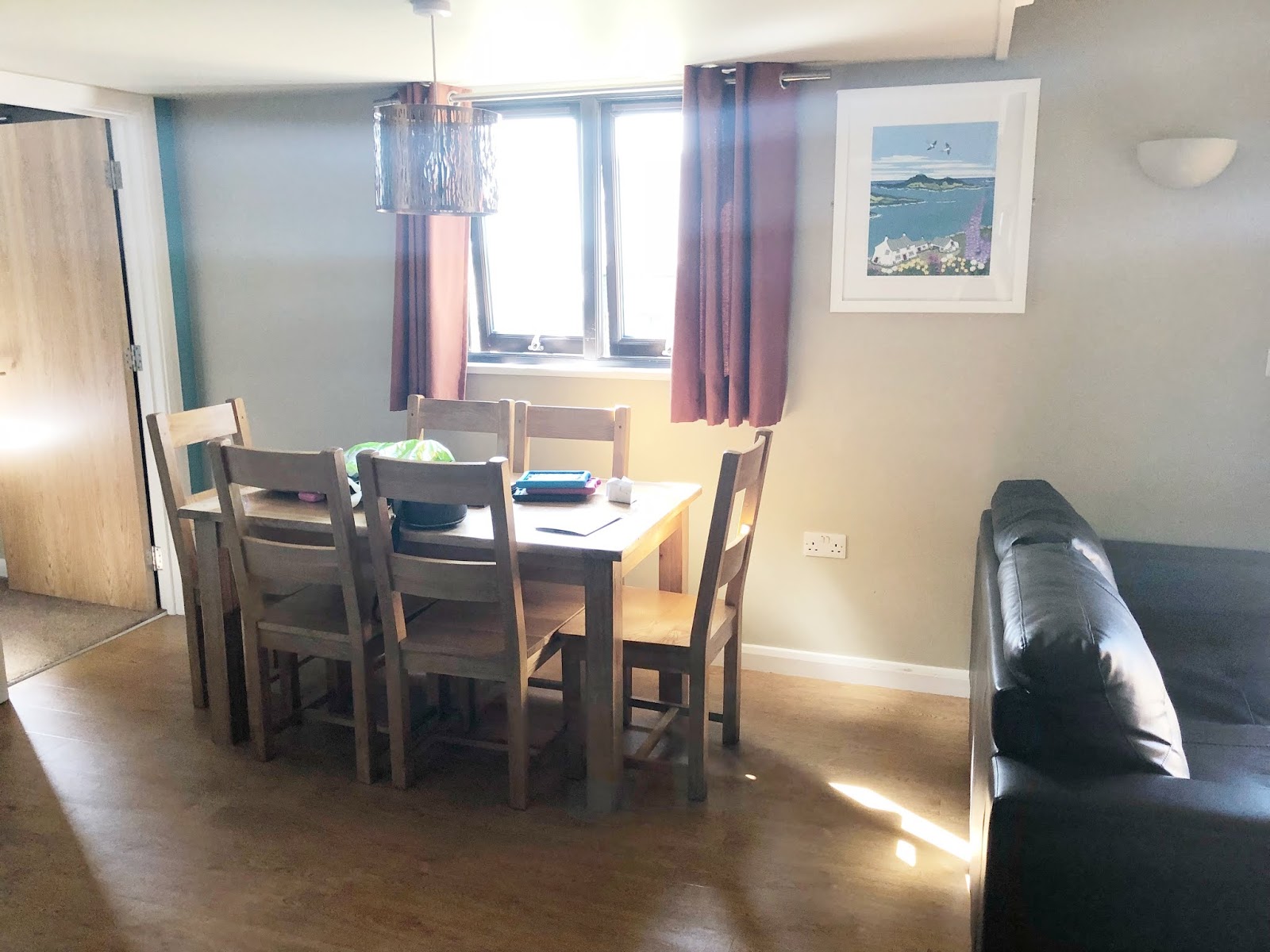
Holiday homes vary considerably in size, layout and equipment. Check the number of bedrooms, bathroom arrangements and whether the living space will give everyone enough room. A separate bedroom can make bedtime easier, especially if younger children are not used to sleeping in a busy room.
Ask whether the accommodation includes a travel cot, highchair, stair gate and baby bath, but do not assume these items are guaranteed. Some parks offer them for a fee or have limited supplies, so booking early may be necessary. Families with older children may prefer a lodge with outdoor space, Wi-Fi and a second television.
Read the descriptions carefully for details such as decking, heating, pet access and accessibility. If a family member uses a wheelchair or has mobility difficulties, contact the park directly about door widths, wet rooms, parking and the route to shared facilities.
A little preparation around sleep can also help. Families dealing with a child who finds unfamiliar bedrooms difficult may appreciate these sleep routine ideas before travelling, particularly if the holiday includes a new cot or shared bedroom.
Look beyond the swimming pool
A swimming pool is often a major attraction, but it should not be the only activity you consider. Find out whether there are age-appropriate play areas, soft play, sports courts, adventure parks, arcades, craft sessions or organised clubs. A varied programme gives children something to enjoy in different weather conditions.
Check the age rules and opening times for children’s clubs. Some activities require advance booking, while others have extra charges or limited spaces. Teenagers may want more independence, so facilities such as a games room, climbing wall, bike hire or evening entertainment can help them enjoy the trip without needing constant supervision.
Outdoor areas deserve attention too. A safe playground close to the accommodation, walking trails and open green spaces can be invaluable when you need a free activity or a break from scheduled entertainment. Look at recent reviews for comments about cleanliness, queues and how well facilities are maintained.
| Feature | What to check | Why it matters |
|---|---|---|
| Swimming pool | Splash areas, lifeguards, session bookings and changing facilities | Helps families plan safe, enjoyable pool time |
| Children’s clubs | Age groups, prices, staffing and advance reservations | Provides suitable activities for different stages |
| Accommodation | Bedrooms, kitchen equipment, cot hire and accessibility | Supports comfort, sleep and practical routines |
| Food options | Menus, supermarket access, takeaway choices and allergies | Makes meals easier and more affordable |
| Entertainment | Quiet options, show times and noise levels | Balances fun with rest, especially for younger children |
| Location | Beaches, attractions, transport and medical facilities | Reduces travel stress and improves flexibility |
Check the food and everyday facilities
Self-catering accommodation can help families control spending, especially when children prefer familiar meals. Look for a properly equipped kitchen with a fridge, freezer compartment, microwave, oven and enough pans. It is useful to know whether basic items such as washing-up liquid, tea towels and cleaning products are provided.
On-site shops are convenient, but prices can be higher than at a local supermarket. Check the distance to nearby shops and consider arranging a grocery delivery for the day you arrive. Some parks also offer food boxes or collection services, which can save time after a long journey.
Review restaurant menus in advance if anyone has allergies or dietary requirements. A family-friendly park should be able to explain how food is prepared and whether children’s portions are available. Laundry facilities can be just as valuable as restaurants, particularly for families with babies or children who enjoy muddy outdoor activities.
For practical ideas about keeping family spaces manageable before and after a trip, the our-home section offers useful inspiration for everyday household routines.
Understand the full cost before booking
The headline accommodation price rarely represents the complete holiday budget. Add booking fees, entertainment passes, parking, bed linen, towels, Wi-Fi, pet charges and activity costs before comparing parks. Some extras are optional, while others are automatically added during the booking process.
Entertainment passes can be particularly confusing. Check whether they are included, whether every guest needs one and whether they provide access to the pool, clubs and evening shows. A cheaper break may become less attractive if most activities require additional payment.
Consider travel, food and spending money as well. Self-catering may reduce restaurant bills, but children may still ask for arcade credits, ice creams and paid attractions. Setting a daily budget can prevent unexpected costs and leave room for one or two special treats.
Look for flexible cancellation terms and payment schedules, especially when booking far ahead. Travel insurance may be sensible for a more expensive family holiday, while low-season breaks during spring or autumn can offer better value and quieter facilities.
Read recent reviews with a critical eye
Reviews can reveal details that are missing from official descriptions, including noise from evening entertainment, the condition of caravans and the length of queues during school holidays. Focus on recent comments because facilities, staff and accommodation standards can change between seasons.
Look for patterns rather than relying on one very positive or negative experience. Several guests mentioning poor cleanliness or broken play equipment may indicate a recurring issue, while a single complaint about weather or personal preference may be less useful.
Photographs from visitors can also provide a realistic view of accommodation and shared spaces. Search for information about check-in, parking, security and the distance between accommodation and entertainment areas. These practical details often influence how relaxed the holiday feels.
Make a shortlist before you reserve
A simple shortlist makes it easier to compare family resorts fairly. Consider the needs of every traveller, including sleep, mobility, food, entertainment and downtime. The most impressive park on paper may not be the best choice if it creates long journeys or constant extra spending.
- Choose a location within a realistic travelling distance for your children.
- Confirm which facilities and activities are included in the quoted price.
- Check accommodation equipment, bedroom layouts and accessibility details.
- Read recent reviews about cleanliness, noise, queues and customer service.
- Book popular clubs, pool sessions and special activities as early as possible.
Once you have found a park that fits your budget and routine, save confirmation emails, activity information and contact details in one place. A few minutes spent checking the details can make arrival smoother and help you enjoy the parts of the break that matter most: time together, simple pleasures and fewer household jobs.
Start comparing suitable UK holiday parks with your family’s priorities written down, then book the accommodation and activities that genuinely support the way you like to travel.