The Best Kids’ Books to Start a Home Library from Birth
A child’s first bookshelf does not need to be large, expensive or carefully colour-coordinated. A small collection of thoughtfully chosen stories can become part of everyday family life from the earliest weeks, even before a baby understands the words. The sound of a familiar voice, the rhythm of a rhyme and the comfort of a repeated bedtime ritual all help books feel safe and enjoyable.
Starting a home library from birth is also a lovely way to build family traditions. Books can mark birthdays, holidays, new siblings and changing interests, while a well-loved story often becomes part of a child’s identity. Some titles will be read hundreds of times, with pages softened by little hands and favourite phrases remembered by heart.
The most useful collection includes a mixture of board books, nursery rhymes, picture books, lift-the-flap stories and books that reflect real family experiences. You do not need to buy everything at once. A few reliable favourites, added to gradually, can create a reading corner that grows alongside your child.
Choosing Books For A Newborn
Newborn babies respond more to voices, faces, contrast and rhythm than to a complicated plot. Look for books with simple illustrations, bold shapes, clear patterns and short, repetitive text. Black-and-white board books can be useful during early visual development, while high-contrast images are easy for young babies to focus on.
At this stage, the act of reading matters more than finishing the story. Hold the book close, pause between pages and let your baby watch your face. Songs, rhymes and gentle poetry are especially effective because babies quickly become familiar with the pitch and pattern of a parent’s voice.
Board Books For Everyday Reading
Durable board books are the foundation of a baby’s first book collection. Their thick pages are easier for small hands to turn and can withstand chewing, spills and enthusiastic handling. Titles such as Dear Zoo by Rod Campbell, Where Is Spot? by Eric Hill and Brown Bear, Brown Bear, What Do You See? by Bill Martin Jr. and Eric Carle offer repetition, bright artwork and opportunities for children to join in later.
Touch-and-feel books, such as That’s Not My… titles by Fiona Watt, add a sensory element to story time. Babies can explore different textures while hearing the same sentence structure repeated. Lift-the-flap books are equally engaging, although the flaps may need supervision until children learn to handle them carefully.
Picture Books That Grow With Your Child
A good picture book can serve different purposes at different ages. A baby may enjoy the colours and sound of the words, while a toddler begins to identify objects, predict what happens next and answer simple questions. This makes classic picture books particularly useful for a growing home library.
| Book type | Good early examples | What children gain |
|---|---|---|
| Nursery rhyme collection | The Very Hungry Caterpillar and traditional rhyme books | Rhythm, memory and language |
| First concept book | First 100 Words by Roger Priddy | Vocabulary and object recognition |
| Interactive board book | Where Is Spot? or Dear Zoo | Prediction, participation and fine motor skills |
| Gentle bedtime story | Goodnight Moon by Margaret Wise Brown | Routine, calm and listening |
| Longer picture book | The Gruffalo by Julia Donaldson | Story structure, humour and repeated language |
Julia Donaldson and Axel Scheffler’s The Gruffalo, Judith Kerr’s The Tiger Who Came to Tea and Eric Carle’s The Very Hungry Caterpillar are strong choices because they remain entertaining as children develop. They also give adults plenty of opportunities to use different voices, discuss pictures and connect the story with real life.
Making Reading Part Of Family Life
A reading routine does not have to happen at bedtime. A few pages after breakfast, a story before a nap or a quiet book in the afternoon can work just as well. Keeping a basket of books in the living room means reading is available during ordinary family moments rather than being treated as a formal activity.
Families who are reducing background television or digital distractions may find that books become a natural replacement. The reflections from screen-free family time show how simple shared activities can create space for conversation and connection. Reading together offers that same calm pause, even when the rest of the day is busy.
Let children choose the same book repeatedly. Repetition helps them understand sequence, learn new words and feel confident about joining in. It can be tempting to hide a favourite title after the twentieth reading, but predictable stories are valuable for early learning and emotional security.
Creating A Welcoming Book Corner
A home library does not require a dedicated room. A low shelf, sturdy basket or forward-facing book rail can make books visible and accessible. Displaying a few covers at child height encourages independent choice, while less durable paperbacks can remain on a higher shelf until children are ready to handle them.
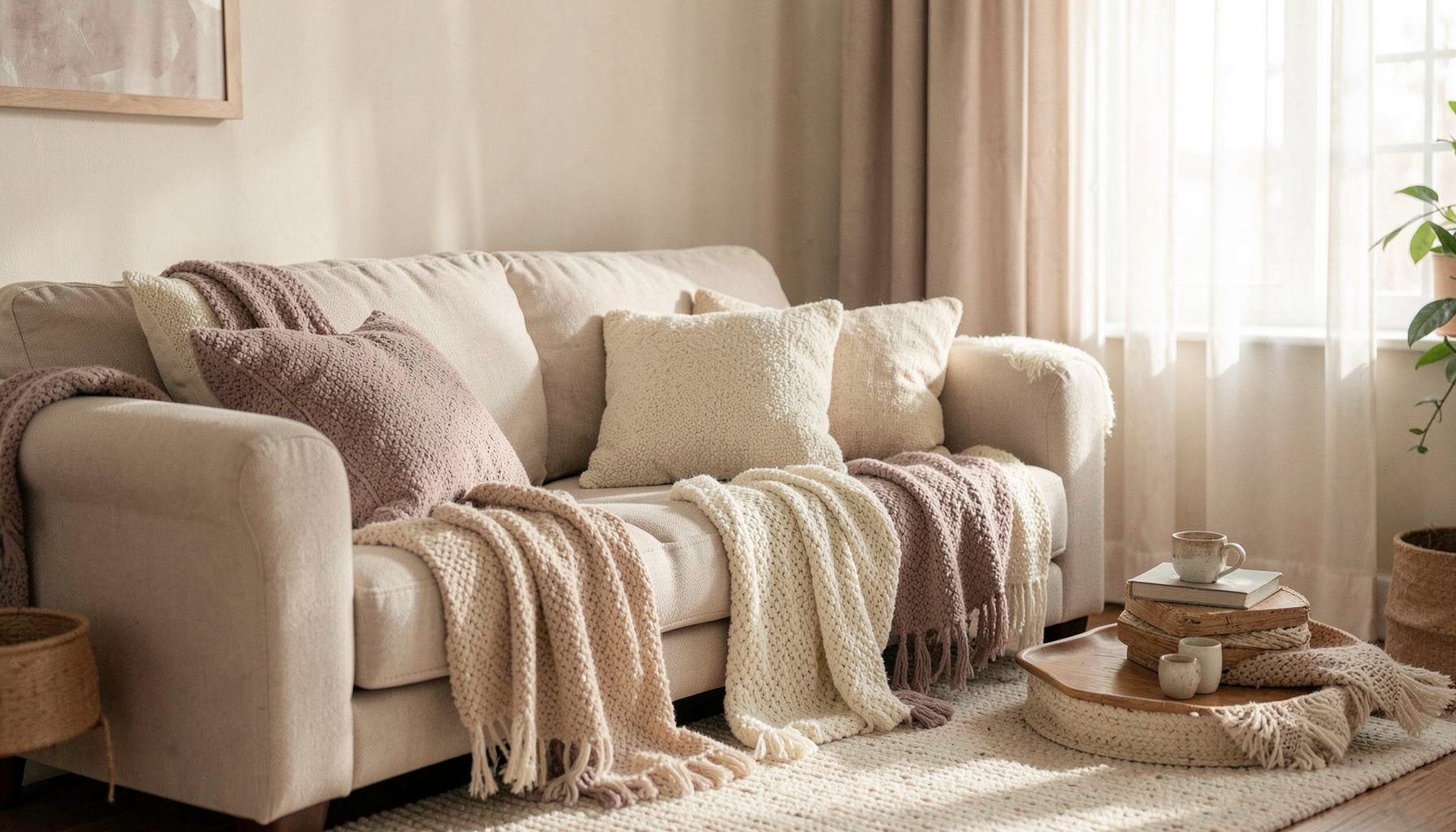
The reading area can be comfortable without becoming an expensive decorating project. A cushion, washable blanket and soft light may be enough to create a cosy space, and small changes can make a room feel fresh; these budget home upgrades can provide inspiration for arranging a practical family corner without overspending.
Keep books away from cots and climbing hazards, and check regularly for damaged pages, loose bindings or sharp corners. Babies should always be supervised with books, particularly titles containing flaps, ribbons, mirrors or detachable pieces.
Building A Meaningful Collection
A home library becomes more personal when it reflects the children who use it. Include books with different family structures, cultures, abilities and everyday experiences. Stories about emotions, friendships, starting nursery, visiting the doctor or welcoming a new baby can help children understand events in their own lives.
Second-hand bookshops, charity shops, library sales and book swaps are excellent ways to build a varied collection on a household budget. You can also ask relatives to give a book for birthdays instead of another toy. Writing the date and giver inside the cover turns ordinary purchases into keepsakes.
- Start with a small mixture of board books, rhymes and picture books.
- Choose stories that invite interaction, such as pointing, lifting flaps or repeating phrases.
- Add books that represent your child’s family, culture, interests and experiences.
- Keep a few books in different rooms so reading fits naturally into the day.
- Replace damaged or outgrown titles gradually rather than buying an entire collection at once.
As children grow, involve them in choosing new additions. Letting them visit the library, browse a bookshop or select a story for a younger sibling gives them ownership of reading. A home library is built through regular use, affection and shared memories rather than through the number of books on its shelves.
Begin with one or two stories tonight, make space for them where little hands can see them and allow your family’s collection to develop at its own pace. Over time, those simple reading moments can become treasured traditions that stay with your child long after the first board books have been outgrown.